






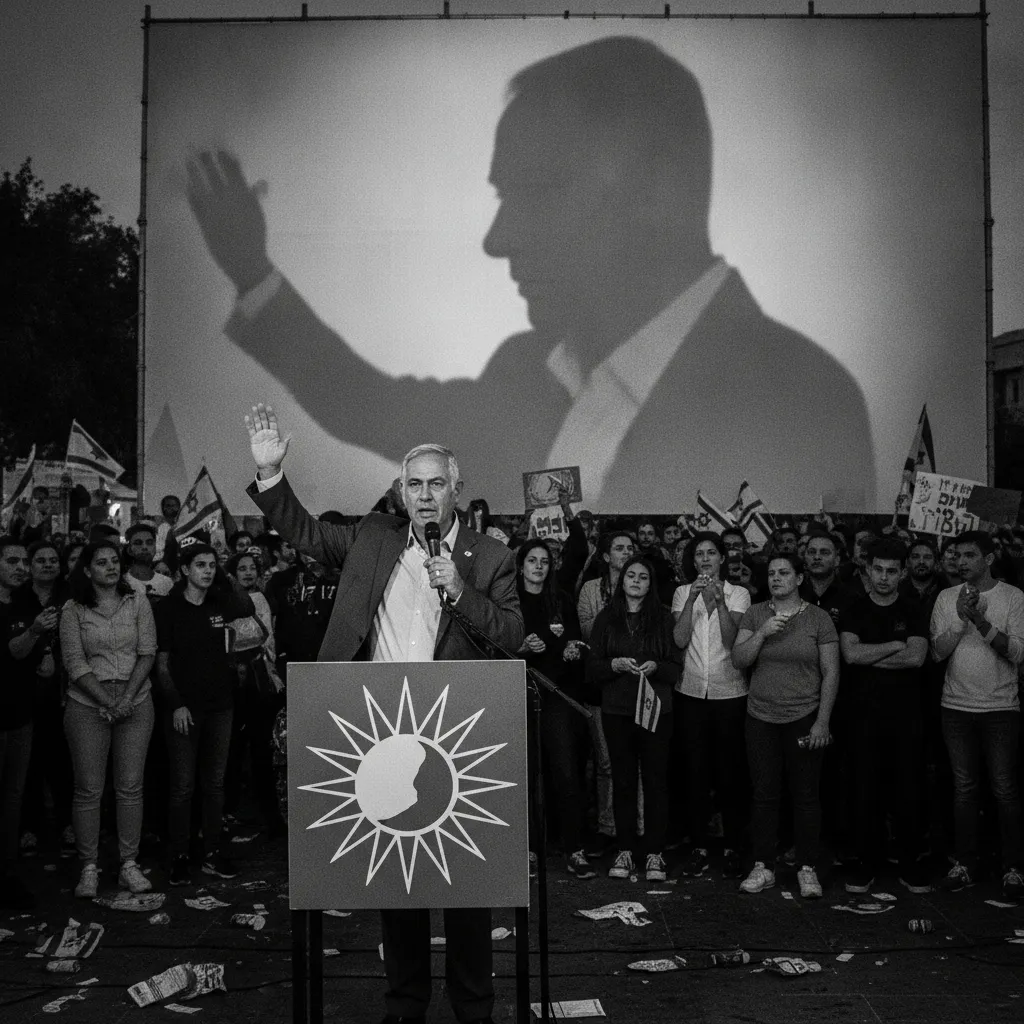

At a recent campaign rally in the quiet city of Modi’in, the cheering crowds were there to support Gadi Eisenkot, a former general and current lead opposition challenger. Yet despite his presence on stage, it felt as though another man dominated the atmosphere entirely. That invisible guest was Benjamin Netanyahu, the prime minister who has shaped Israeli governance for nearly two decades. Every praise heaped upon Eisenkot as a man of integrity and straightforwardness served as a silent indictment of Netanyahu, whom critics view as a master of political manipulation. By naming his party Yashar, meaning straight or direct, Eisenkot isn’t just offering a platform; he is presenting himself as the deliberate antithesis to everything Netanyahu represents.
The current electoral landscape reveals that Israeli politics is no longer a simple struggle between left and right wings. Instead, it has devolved into a binary choice between those loyal to Netanyahu and those determined to see him gone. This divide is so profound that even staunch nationalists like Naftali Bennett and Avigdor Lieberman find themselves in the anti-Netanyahu camp despite their shared ideological roots. While Eisenkot attempts to win over voters by promising stability and honesty over theatricality, others on the far right view Netanyahu differently. For figures like Itamar Ben-Gvir, the prime minister is less an idol and more a tool to be steered further toward hardline policies regarding settlements and security.
Despite the fierce opposition, Netanyahu continues to demonstrate an uncanny ability to dictate the terms of the debate. Through aggressive messaging and strategic advertising, he has framed the election not as a referendum on his leadership, but as a existential choice between his brand of nationalism and an imagined alliance with Arab parties. By painting his opponents as conduits for Palestinian influence within the government, he has managed to keep several centrist rivals on the defensive. Even amidst scandals and accusations of corruption, he remains the gravitational center around which all other political actors orbit.
As polling suggests a tight race where neither side may hold an absolute majority, the tension reaches its peak over potential coalition deals involving Arab legislators. With allies in certain media outlets amplifying these fears, Netanyahu is betting that fear will outweigh fatigue among the electorate. Whether Israelis are truly ready for someone like Eisenkot—a man who promises results instead of rhetoric—or whether they remain tethered to the familiar survival instincts of their long-serving leader remains the central question heading into Tuesday’s vote.