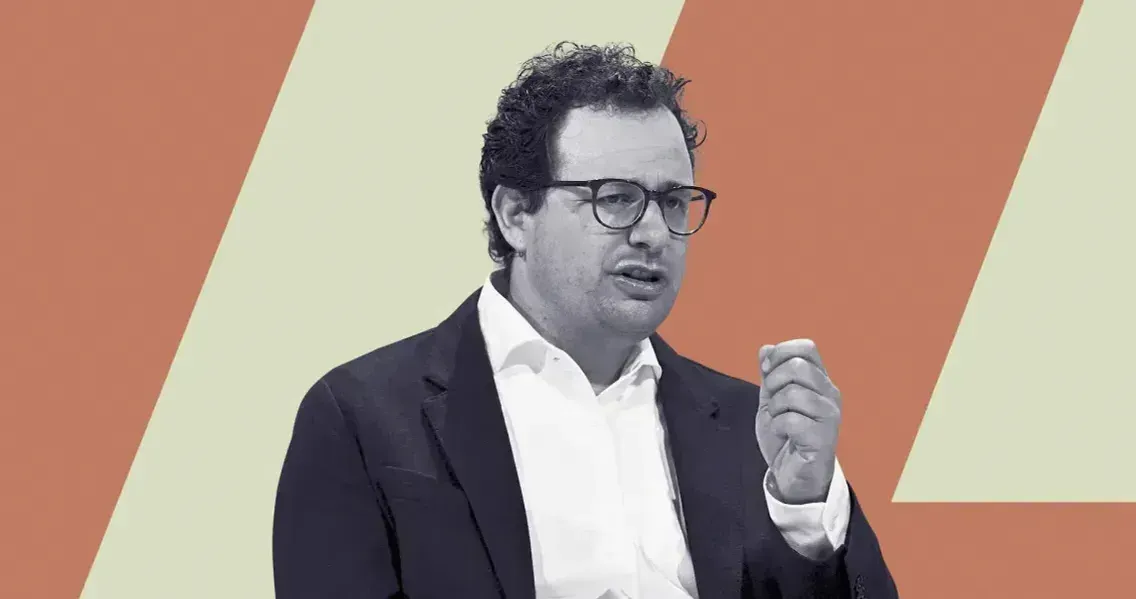



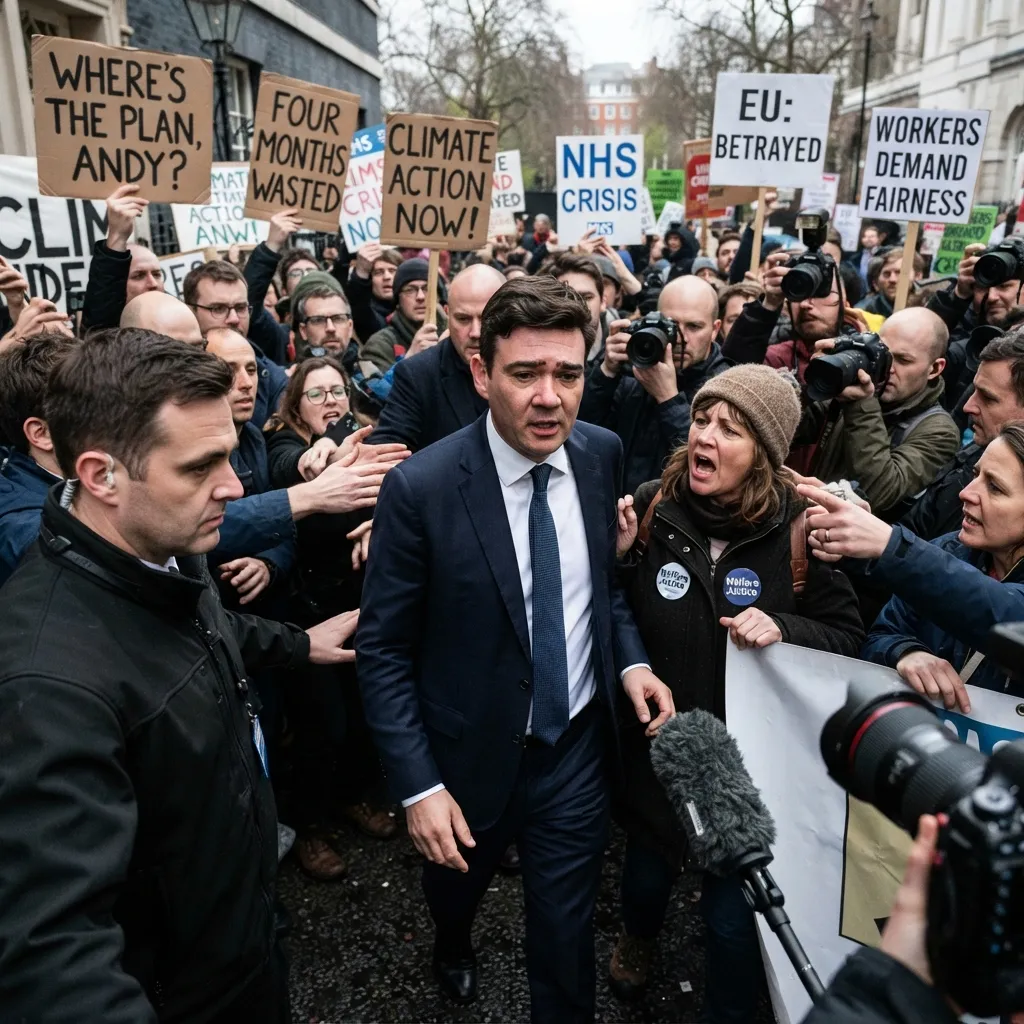

Four months into his premiership, Andy Burnham is testing the patience of nearly every political faction in Britain. From pro-EU activists and climate campaigners to fossil fuel lobbyists and welfare advocates, there is a palpable tension as the country waits for the prime minister to commit to definitive moves. Those closest to him call it Andy time, a reference to his penchant for letting conversations drift and pushing back crucial deadlines. Even the unveiling of his cornerstone ten year plan has been repeatedly delayed, leaving critics to wonder if the man leading the country is simply a charming procrastinator.
However, viewing Burnham through the lens of hesitation misses half the picture. While he lingers on grand strategies, he has shown a capacity for sudden, decisive bursts of energy. Within five days of taking office, he established No 10 North in an aggressive move toward decentralizing power. He has simultaneously reopened dormant debates on everything from social care reform to the pensions triple lock while launching quick fire micro policies to address the cost of living crisis. This duality leaves his opponents in a strange position; figures like Kemi Badenoch often find themselves oscillating between accusing him of inertia and claiming he is attempting too much too quickly.
This rhythmic shift appears to be a deliberate rejection of what Burnham calls the ministerial merry go round. Having spent nearly a decade as mayor of Greater Manchester, he watched from the sidelines as Westminster collapsed into a cycle of brief premierships and rushed policies that led only to chaos and spiraling costs. In his view, the frantic pace of recent British politics has been mistaken for productivity when it was actually dysfunction. By treating governance as a journey or a work in progress, Burnham is betting that voters are exhausted by the manic certainty offered by the right wing and are instead craving a more reflective approach.
Whether this deliberateness works depends entirely on the urgency of the problem at hand. To journalists accustomed to daily dramas, his preference for informal brainstorming sessions over immediate declarations can feel maddeningly vague. More critically, some argue that pragmatism is an insufficient response to existential threats like the climate crisis, where gradual steps may not keep pace with rising temperatures and public health emergencies. Still, as Labour maintains its lead in the polls, it seems there is an appetite for this slower gear, suggesting that after years of political whiplash, Britain might finally be ready for someone who takes their time thinking before they act.