
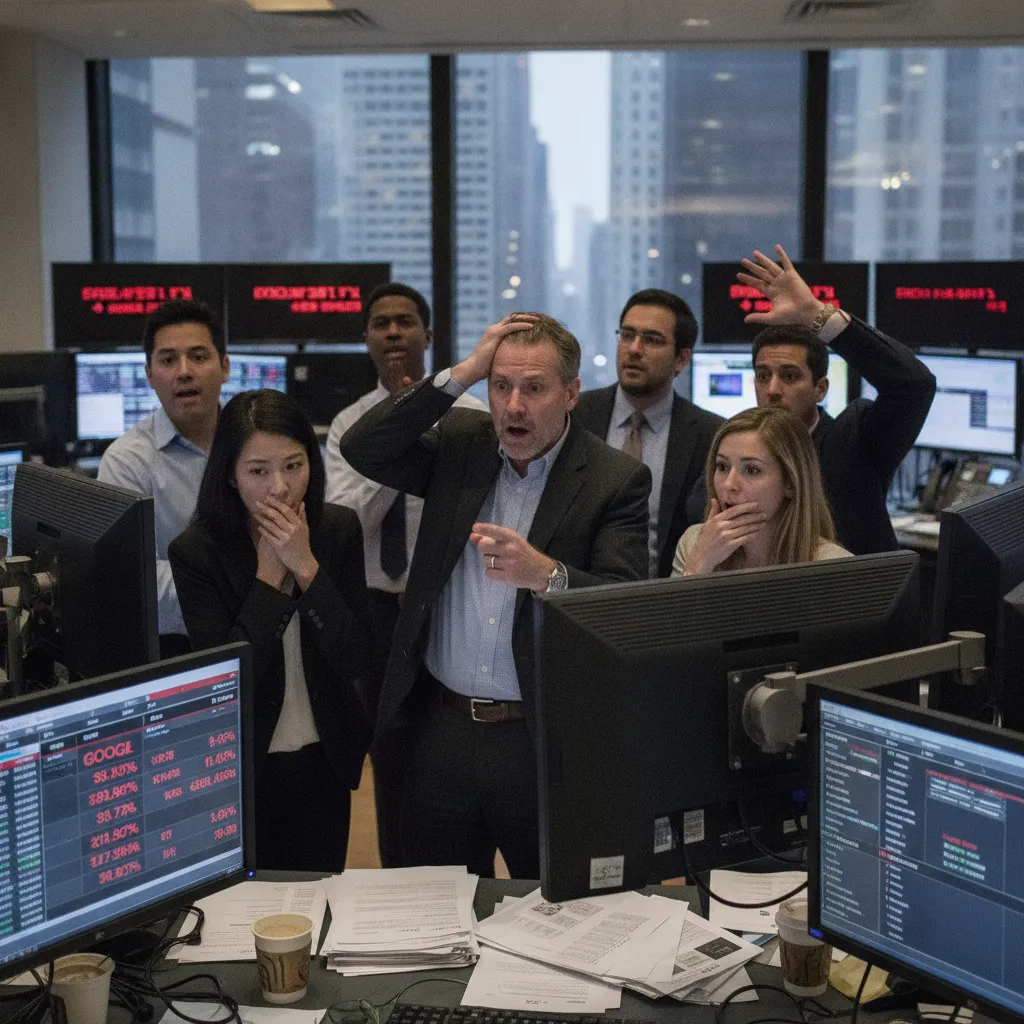
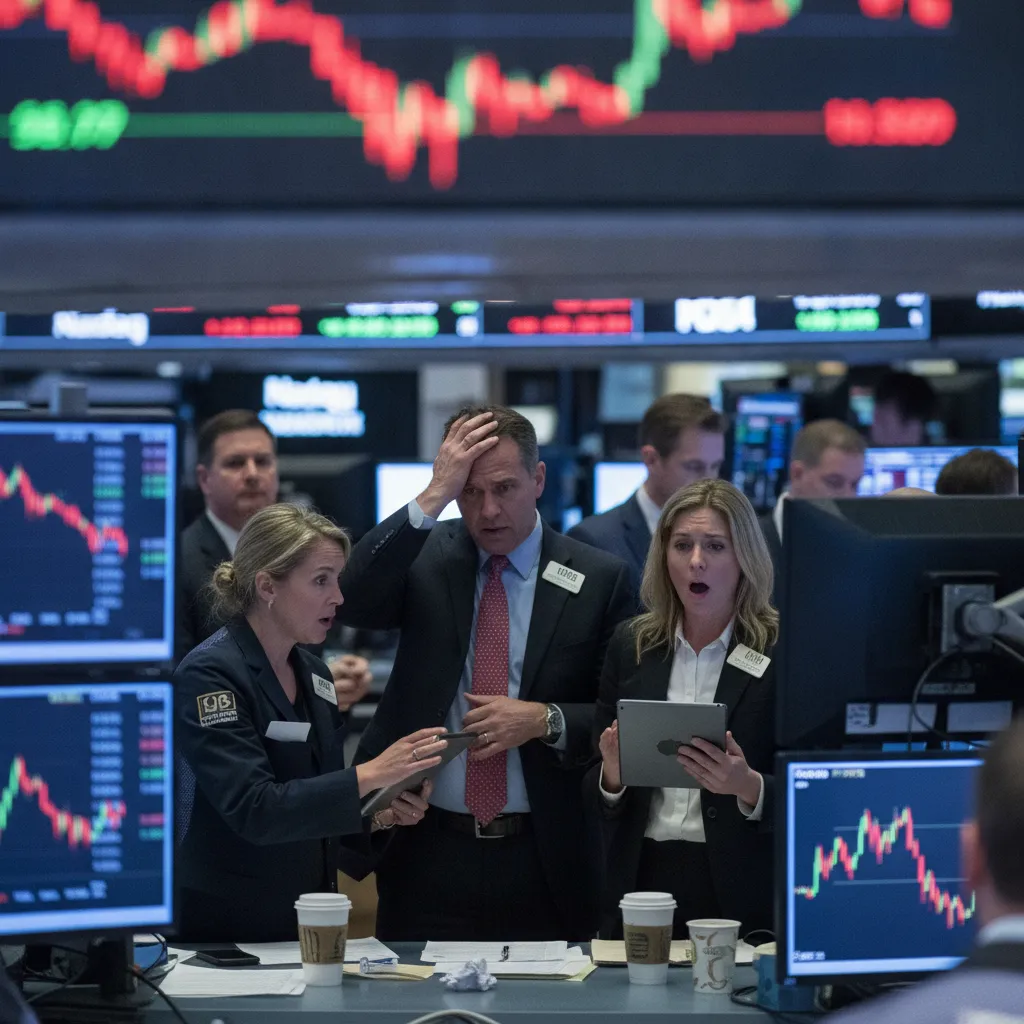


Wall Street is bracing for a rough end to October as Nasdaq-100 futures plummeted early Friday. The downturn follows a wave of disappointing corporate reports, most notably from Amazon and Intel. Amazon shares took a six percent hit in extended trading after missing both earnings and revenue targets, while reporting a staggering forty two billion dollars in negative free cash flow. Meanwhile, Intel saw its valuation crater by twenty one percent after warning of a slump in PC demand and declining revenues within its critical artificial intelligence and computing divisions.
These losses reflect a growing anxiety among investors who are beginning to scrutinize the massive spending associated with the artificial intelligence boom. This skepticism isn’t limited to just a few players; Alphabet recently suffered a twelve percent drop following its own earnings miss, dragging the broader Nasdaq Composite down with it. Market analysts note that hyperscalers like Microsoft and Google are maintaining aggressive capital expenditure budgets without providing clear evidence of immediate returns, leading to a rocky month for specialized AI ETFs and infrastructure providers alike.
Beyond the equity markets, the financial landscape faced additional turbulence on Friday due to a massive security breach at Binance. The world’s largest cryptocurrency exchange reported an incident involving a compromised employee laptop that led to roughly six point three billion dollars being impacted. While Binance has pledged to cover all user losses through its secure asset fund, the news sent shockwaves through the digital asset market, pushing Bitcoin below the seventy eight thousand dollar mark as traders grew nervous about systemic vulnerabilities.
Across the globe, economic signals remain mixed as Asia dealt with its own volatility. Japanese markets saw significant dips in the Nikkei 225 and Kospi indices, though the Bank of Japan provided some stability by holding interest rates steady at one point twenty five percent. In a landmark assessment, the central bank noted that inflation is finally aligning with its two percent target for the first time since 2013, leaving many economists expecting further rate hikes toward the start of next year as wages continue to climb domestically.