
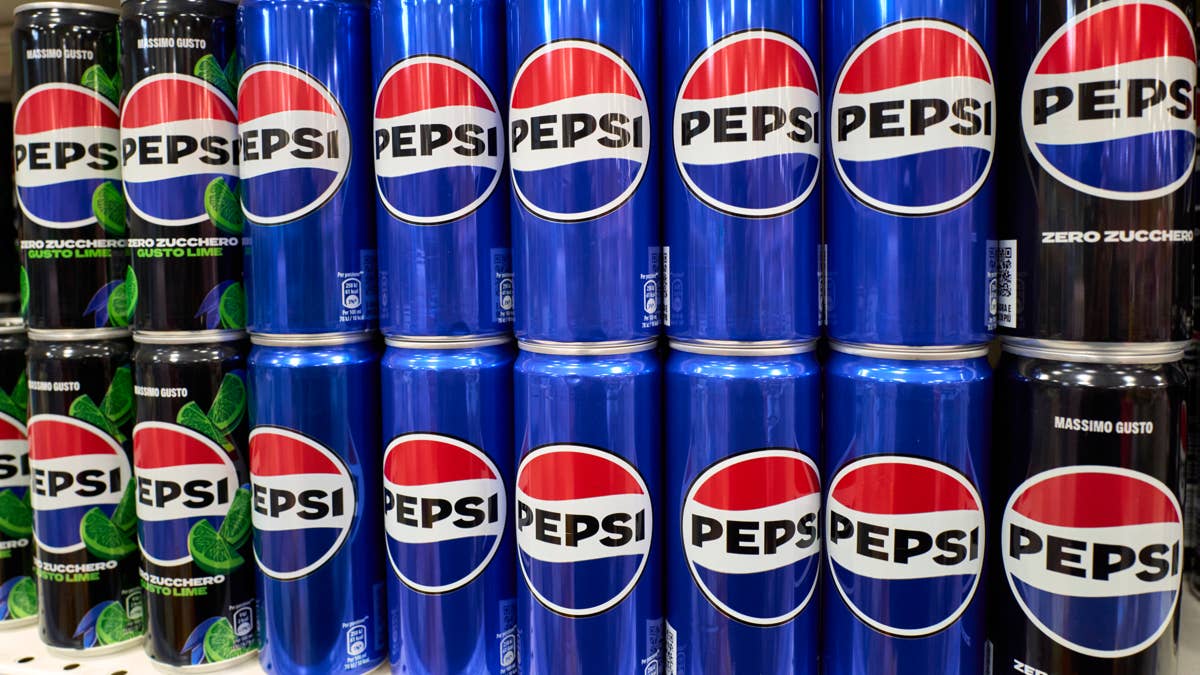

PepsiCo has been closing warehouses and reorganizing its distribution network as it seeks to cut costs, improve efficiency and respond to changing consumer demand.
These changes continue even as the company invests more heavily in its beverage brands to compete with rivals such as Coca-Cola.
“We are not competing well in soft drinks,” PepsiCo CEO Ramon Laguarta acknowledged during the company’s third-quarter earnings call.
Also read: Pepsi discontinues a fast-food soda fans can’t get in stores
The admission came as PepsiCo reported a 2% decline in North American beverage volume during the third quarter, despite a 5% increase in the segment’s reported net revenue.
Now, the beverage giant is shutting down another U.S. bottling plant, affecting more than 100 workers.
PepsiCo closes Tennessee bottling plant, affecting 112 workers
PepsiCo Beverages U.S. announced on October 19 that it was immediately closing its bottling plant in Knoxville, Tennessee.
The closure affects 112 employees at 2708 Federal Road, according to an official Worker Adjustment and Retraining Notification (WARN) filed with the Tennessee Department of Labor and Workforce Development.
The filing lists January 1, 2027, as the effective date of the closure, although PepsiCo confirmed the plant would close immediately.
“We are incredibly thankful for the contributions of our employees and the support of the community,” PepsiCo said in its official announcement.
Affected employees will receive continued pay and benefits through January 1, along with employment-transition assistance.
For local shoppers and businesses, PepsiCo said its sales and delivery teams will continue serving the Knoxville area.
The company did not disclose how production previously handled at the facility would be replaced.
What is Pepsi’s One North America initiative?
The Knoxville shutdown comes as PepsiCo continues a broader effort to restructure its U.S. food and beverage operations.
Under its One North America initiative, the company is looking to integrate parts of its snack and beverage supply chains rather than operate them separately.
The idea is to eliminate overlapping costs, share warehouses and transportation resources, and improve how products reach retailers.
PepsiCo previously tested the strategy in Texas, where its snack and beverage businesses could share warehouse space and serve customers through common distribution points.
During the October 8 earnings call, Laguarta described progress on the initiative.
“Now, the integration is working well on the physical side with warehouses and the transportation,” he said.
He added that the company was working through delivery arrangements for both smaller and larger stores.
Related: Bath & Body Works makes a big move for the holidays
However, PepsiCo does not expect the same approach to work nationwide.
Some markets may benefit from combining snack and beverage distribution, while others could rely more heavily on independent bottling partners.
Laguarta said the company was also evaluating opportunities to accelerate refranchising in certain parts of the country, allowing outside partners to manage more of its beverage operations.
“We’re opening all the avenues,” he said.
Meanwhile, changes are coming in at regular intervals.
The latest shutdown follows several previously announced changes to the company’s U.S. distribution network. In July, TheStreet reported that PepsiCo was cutting 184 warehouse jobs in Tulsa, Oklahoma, while continuing production at the facility.
Another 105 jobs were affected by a warehouse change in South Carolina as the company shifted operations to an outside logistics provider.
The restructuring has extended beyond warehouses: On September 14, PepsiCo announced it was ending manufacturing and warehouse operations at its bottling plant in Cheverly, Maryland, after more than six decades. The move affected 143 workers, although sales and deliveries in the area were expected to continue.
The Knoxville shutdown, announced just five weeks later, marks another significant reduction in PepsiCo’s U.S. bottling operations.
Coca-Cola wins against Pepsi
PepsiCo’s restructuring comes as the company faces another challenge: defending its position in the highly competitive U.S. soft drink market.
During the October earnings call, Laguarta acknowledged that its beverage business was falling short of expectations. “We do not feel good about the beverage business,” he said, adding that PepsiCo was performing better in hydration and energy drinks than in traditional soft drinks.
The company is planning additional investment in brands including Pepsi, Mountain Dew and Poppi to strengthen its competitive position.
But Coca-Cola recently secured a notable victory.
On October 15, KFC announced that it would replace PepsiCo with Coca-Cola as its U.S. beverage supplier, ending a partnership that had lasted nearly four decades. For customers, the change means familiar Pepsi fountain drinks will give way to Coca-Cola offerings as KFC updates its beverage menu.
PepsiCo signals additional cost reductions
The company’s challenges extend beyond competition.
PepsiCo is also facing higher commodity and operating costs, putting additional pressure on its North American business.
During the earnings call, CFO Steve Schmitt said higher input costs were beginning to affect results as existing commodity hedges expired.
Laguarta emphasized that the company would continue eliminating expenses that do not directly support growth. “We are cutting costs in many areas of the business,” he said, explaining that PepsiCo intends to redirect resources toward improving its beverage and food operations.
Management also discussed automation, digitalization, and further changes to its operational network as part of its productivity efforts.
For shoppers, PepsiCo says it wants to remain competitive on affordability while managing these rising costs.
The shutdown may just be part of the extensive reconsideration the company is undertaking of its U.S. operations as it works to improve competitiveness and restore growth in its traditional soda business.