




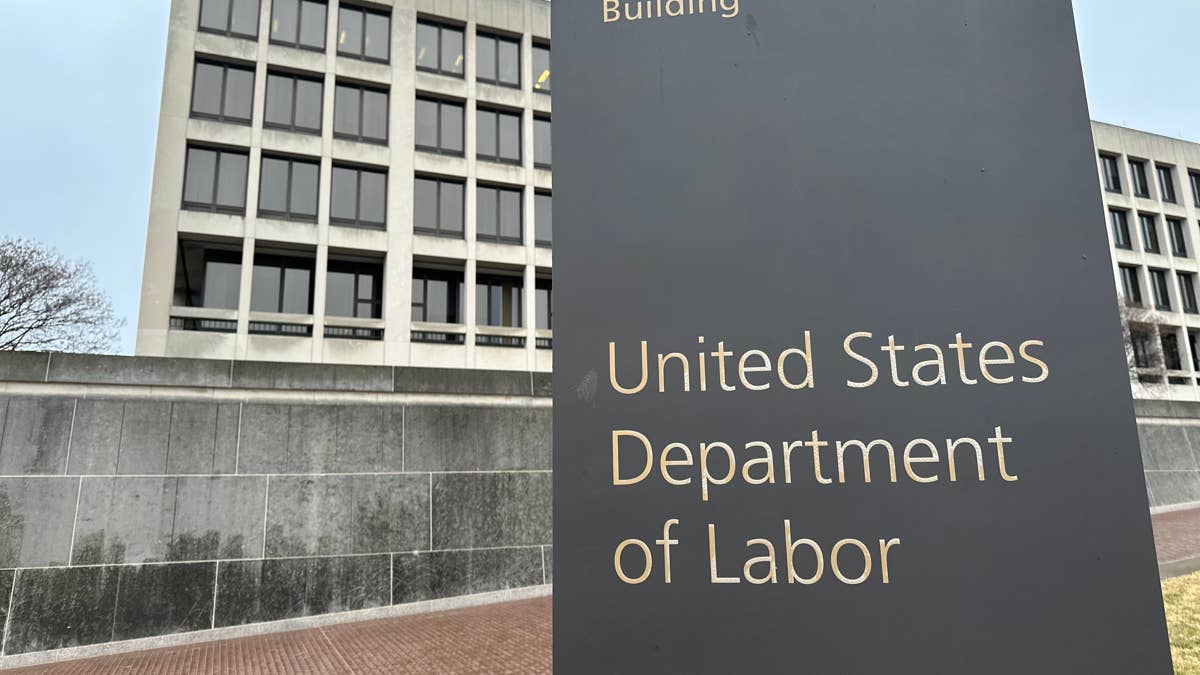



Microsoft’s (MSFT) latest restructuring just sent a painful message to employees and investors at the same time.
The company is tightening its workforce again as it looks to manage weaker pockets of the business while keeping its massive AI push on track.
The timing couldn’t have been more difficult.
Microsoft shares have lagged other megacap tech names this year, and Wall Street is still searching for clearer evidence that the promised AI gains come to fruition in a big way.
For perspective, according to Seeking Alpha data, Microsoft stock has been under major duress, falling 13.2% over the past month, 20% over six months, and 21% year to date.
In contrast, the S&P 500is up 10% YTD, underscoring that Microsoft’s recent weakness has been far steeper than the broader market.
That said, the big move comes inside Xbox, where Microsoft is preparing a deeper reset after years of acquisitions, studio expansion and uneven growth.
What Microsoft is cutting now
After a couple of weeks of swirling rumors, Microsoft is moving through another major workforce reset as pressure builds across its Xbox gaming division.
According to a CNBC report, Microsoft is slashing 4,800 jobs immediately, equal to about 2.1% of its workforce.
The cuts follow the company’s April voluntary retirement program, targeting U.S. employees at the senior director level and below.
CNBC reported that more than one-third of eligible employees accepted the offer, and Microsoft could explore similar programs in the future.
Perhaps the bigger signal is that this isn’t just a one-day layoff. Xbox CEO Asha Sharma told employees that Microsoft’s gaming division will cut 3,200 people through fiscal 2027, with 1,600 jobs eliminated Monday and another 1,600 exits coming on top of the companywide total.
Related: Microsoft may be done making Xbox cheap
“I recognize that a year-long restructuring creates additional challenges,” Sharma wrote. “Unfortunately, it is not possible to make all the necessary changes in a single day.”
She also told employees, “We will return to growth in 2027.”
The move was framed as part of a broader transformation instead of a simple belt-tightening measure.
Amy Coleman, the company’s chief people officer, wrote that “the way technology is built, deployed, and used is transforming faster than at any point in my time here.”
So effectively, Microsoft is reshaping the entire structure of its gaming portfolio.
Compulsion Games and Double Fine Productions will become independent again, while Ninja Theory and Undead Labs have entered terms to join new ownership. Arkane Studios, which came to Microsoft through its $8.1 billion ZeniMax Media acquisition, is also exploring strategic options with its works council.
At the same time, Microsoft is trying to adapt to a faster AI cycle, protect margins and refocus businesses where growth has become harder to sustain.
AI is turning layoffs into a Big Tech theme
Microsoft’s cuts didn’t just happen in isolation, as we’ve seen a wave of layoffs spread across Big Tech, with businesses cutting headcounts and redirecting capex to AI endeavours.
- Oracle: On June 22, 2026, Reuters reported Oracle’s workforce tanked by 21,000, or 13%, in fiscal 2026, partly led by AI adoption.
- Microsoft: On July 2, 2025, Microsoft said it might cut nearly 4% of staff while continuing heavy AI infrastructure spending, according to Yahoo Finance.
- Meta Platforms: On May 18, 2026, Reuters reported Meta’s May 20 restructuring included 10% layoffs, 7,000 staff shifted to AI initiatives, and 6,000 open roles closed.
- Salesforce: On Feb. 10, 2026, Reuters said that Salesforce cut fewer than 1,000 jobs, including jobs linked to its Agentforce AI push.
- Amazon: On Jan. 28, 2026, Reuters said Amazon confirmed 16,000 corporate cuts, which includes 14,000 October layoffs partly linked to AI adoption and bureaucracy reduction.
Microsoft’s AI math is getting harder to defend
The other side of the argument is that Microsoft is still spending aggressively on building out an AI future which continues at the expense of its employees.
The numbers are huge.
According to Reuters, Microsoft’s capex numbers shot up 49% year over year to $31.9 billion in its fiscal Q3, down from $37.5 billion in the prior quarter but still below Wall Street’s $34.9 billion estimate.
However, that supposed breather isn’t expected to last for long.
The CFO Amy Hood told analysts Microsoft expects about $40 billion in capital spending in the fiscal Q4, including $5 billion tied to higher chip prices, Reuters reported.
More Wall Street:
- Wall Street has a new problem, and it’s not the technology
- Wall Street’s biggest banks just landed the AI IPO of the year
- Wall Street’s top analysts just doubled down on 3 stocks
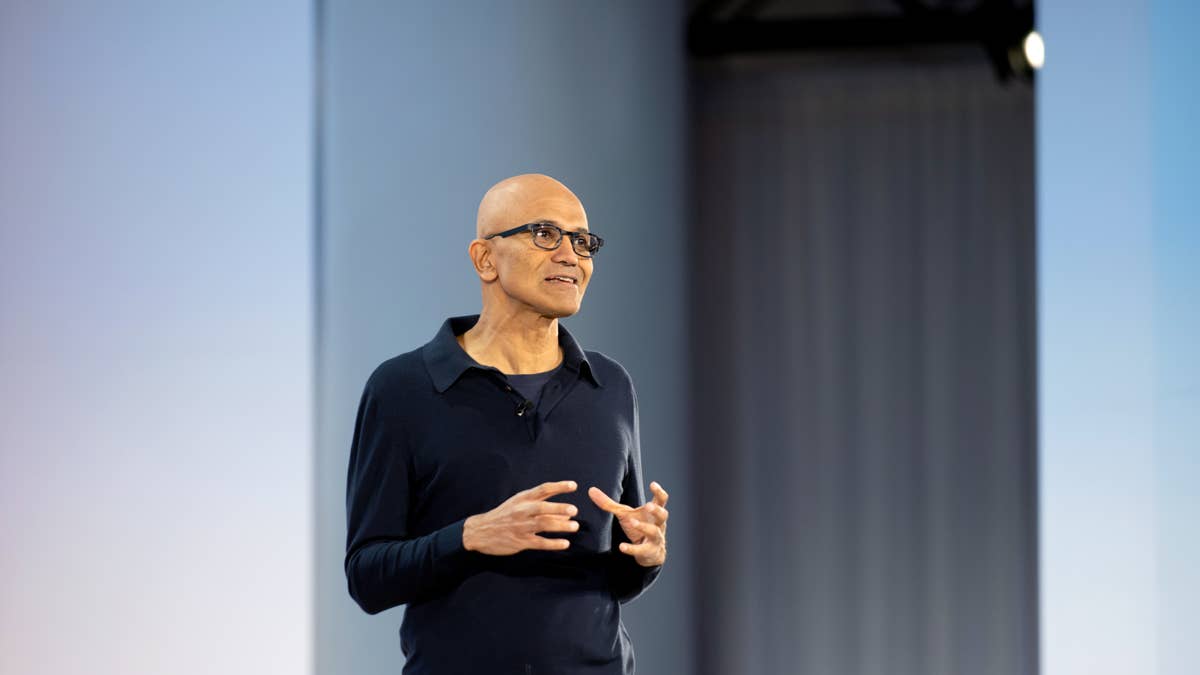
Nevertheless, Microsoft has been dishing out strong growth numbers to defend that spending. In its fiscal Q3, CEO Satya Nadella said Microsoft Cloud revenue topped $54 billion, up 29%, while the company’s AI business surpassed a $37 billion annual revenue run rate, up 123%.
Microsoft also said Azure and other cloud services grew 40%, but customer demand still exceeded available capacity.
Moreover, at Morgan Stanley’s TMT conference, Nadella argued AI capex can produce strong returns because Microsoft can use software to improve utilization, lower total cost of ownership and optimize workloads.
He said those levers could “generate great ROIC” and compared today’s AI buildout to the early Azure investment cycle, when Microsoft “kept building” before cloud margins became clear.
Nevertheless, the skepticism is real. According to S&P Global Market Intelligence, hyperscaler capex expectations for 2026 have jumped by almost $250 billion, from $379 billion to $622 billion, and the spending is projected to grow faster than sales.
That’s why Microsoft’s job cuts matter a ton because it’s trying to convince investors that the AI buildout deserves more patience, even as older businesses are forced to shrink.
Related: ‘Big Short’ investor Michael Burry issues blunt 4-word warning on AI stocks