





If you own an S&P 500 index fund, you own a slice of Meta Platforms. That means the company’s next earnings report lands in your retirement account whether you follow the stock or not.
This one comes with an unusual line item. It’s a bill for how Facebook and Instagram treated teenagers.
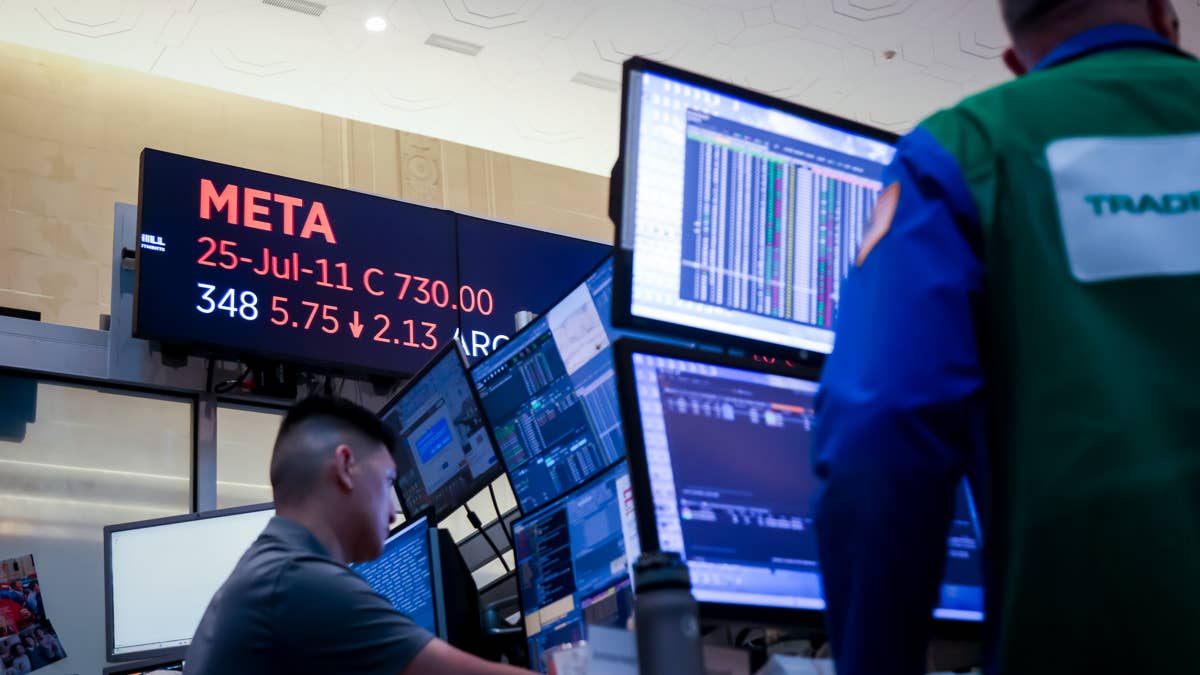
Meta Platforms (META) will release third-quarter results after the market closes on Oct. 21, the company said in a release. The company brought in about $201 billion in revenue in 2025, the Associated Press reported, which makes it one of the biggest earners inside the funds millions of Americans hold for retirement.
Wall Street has been warming to its artificial intelligence push. “Introducing Muse, the personal agent that understands your goals and works 24/7 to get things done for you,” said CEO Mark Zuckerberg when Meta launched the Muse agent on Sept. 8.
However, the bill for Meta’s past is arriving at the same moment as the bill for its future. Both will show up in the numbers you see on Oct. 21.
According to a Bank of America research report dated Oct. 16 and reviewed by TheStreet, Meta’s third-quarter profit is likely to look far weaker than Wall Street expects, even as its ad business keeps growing at a healthy clip.
What Bank of America expects on Oct. 21
BofA expects revenue of $63.8 billion, ahead of the $63.3 billion consensus and near the top of Meta’s own guidance range of $61 billion to $64 billion. That would mean roughly 25% growth from a year earlier.
Profit is a different story. BofA cut its third-quarter earnings estimate to $3.79 a share from $7.08, below the Street’s $6.08, because it expects Meta to book a one-time $10 billion legal charge in the quarter.
More Artificial Intelligence:
- Bank of America sees 40% upside in AI’s next bottleneck
- Micron stock faces unexpected trouble despite sold-out AI factory
- Samsung’s AI glasses make a bold bet against Meta
“We see upside potential to 3Q revenues given solid ad checks,” wrote BofA analyst Justin Post in the note, titled “3Q Preview: Back on offense with AI.” Post said his estimates sit above the Street, once the one-time charge is stripped out.
Here’s what that means in plain terms. Earnings that would have come in near $7 for every share you own, now land closer to $4 for the quarter, almost entirely because of one legal bill.
The BofA research note points to several other numbers worth watching:
- Instagram’s global daily users rose six percent from a year earlier in the third quarter, while Facebook’s fell eight percent, according to Sensor Tower data.
- U.S. users spent an average of 58 minutes a day on Instagram in September, up 12%, versus 34 minutes on Facebook, down ten percent.
- Muse passed 8.9 million downloads and 2.23 million daily active users, as of Oct. 12.
- BofA expects Meta to guide fourth-quarter revenue to between $71.5 billion and $74.5 billion, up 19% to 24% from a year earlier.
Why an $18 billion teen-safety deal hits this quarter
The charge traces back to late August. Meta agreed to pay more than $18 billion over the next decade to settle claims from 52 attorneys general, Gray Media reported, ending a trial over whether its apps were built to hook young users. Meta denied wrongdoing.
If you’re a parent, the deal changes your kids’ apps, too. Meta agreed to daily screen-time limits teens can’t switch off, overnight blocks and muted notifications during school hours, Gray Media reported.
Related: Zuckerberg says Meta’s AI bet only fails if all AI fails
There’s a catch built into the payout. About 30% of it, roughly $5.3 billion, reaches states only if YouTube and TikTok adopt similar protections and pay a matching amount, the AP reported.
The agreement “institutes real change, real transparency, real protections for children and teens across the country,” California Attorney General Rob Bonta said, according to the AP.
For Meta’s balance sheet, the math is smaller than the headline. Spread over ten years, $18 billion works out to about $1.8 billion a year, by my math. Against $201 billion in annual revenue, that’s like someone earning $100,000 paying about $900 a year.
Given that backdrop, it’s easy to understand why Post sees a silver lining. He wrote that the settlement “reduces regulatory uncertainty” and removes the risk of a large jury verdict.
Muse, AI spending and Meta’s 2027 cash crunch
The bigger long-term cost is computing power. BofA raised its 2027 capital spending estimate for Meta to $205 billion, up from $192 billion and above the Street’s $195 billion.
That’s about $560 million a day on data centers, chips and servers. It’s also roughly triple the $69.7 billion Meta spent in 2025, according to BofA’s figures.
As a result, BofA projects Meta’s free cash flow, the cash left after paying for those investments, will swing to about negative $29.6 billion in 2027. That compares with a positive $46.1 billion in 2025.
Muse is part of the reason. Meta gives free users up to 100 million AI tokens a week, and BofA estimates a user who maxes that out could cost Meta about $50 a week to serve. That’s far more than the $20 a month its cheapest paid plan charges.
“If Muse continues to ramp, there may not be opportunity to lease capacity to 3rd parties and drive near-term revenue upside,” wrote Post.
Much will likely depend, however, on how many Muse users ever pay. Downloads are easy to count, but subscriptions are what fund a $205 billion budget.
I’d also note that BofA trimmed its 2027 earnings estimate by one percent even as it kept its revenue forecast above the Street. For now, the spending is outrunning the sales.
For your portfolio, patience is the price of admission. Meta’s dividend yields about 0.3%, or roughly $30 a year on a $10,000 position, so most of your return rides on whether these AI bets pay off.
Post still rates Meta a Buy with an $810 price target, about ten percent above the Oct. 16 price of $736.72, and wrote that he sees the company with the “least risk of AI disruption to core business in our coverage.”
Related: Meta’s new teen limits have a loophole parents can’t ignore