








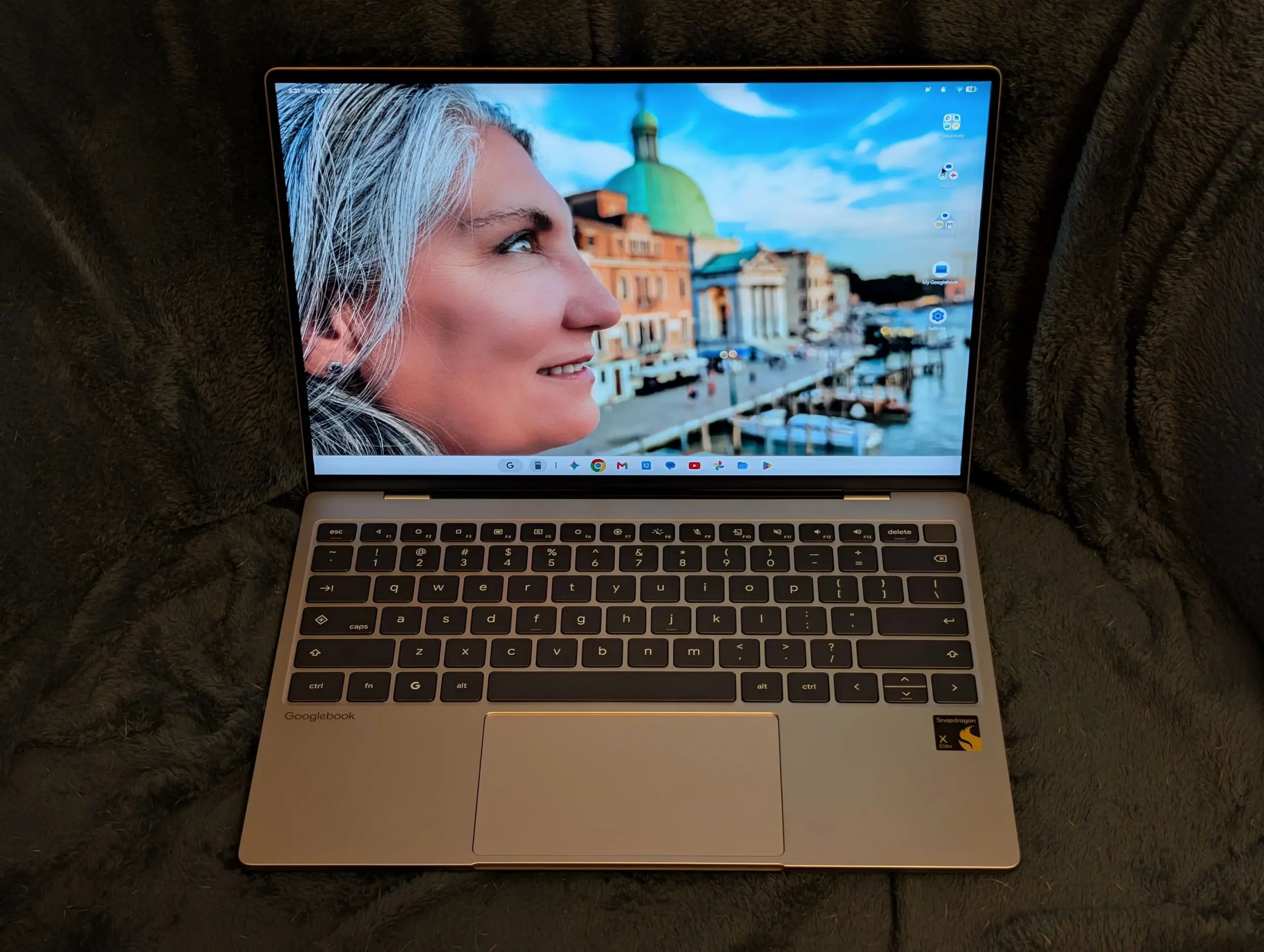

For those deeply embedded in the Google ecosystem, the arrival of the Googlebook represents a long awaited leap beyond the budget constraints of the traditional Chromebook. While many rushed toward cheaper options like Acer’s offerings, availability issues pushed several early adopters toward higher end machines like the Dell XPS Googlebook. At nearly a thousand dollars, this device positions itself firmly in the ultrabook territory, competing directly with the likes of the MacBook Air through a premium build quality and high performance specifications.
Physically, the XPS model is a masterclass in minimalism. It is remarkably thin and light, though that sleekness comes at a cost to connectivity, offering only two USB C ports and omitting a headphone jack entirely. Inside, it packs a punch with 16GB of RAM and a snappy Snapdragon X Elite processor. Despite lacking an OLED panel found in some sister models, the display remains crisp with an appreciated anti glare coating. The overall feel is solid and refined, featuring a responsive keyboard and whisper quiet fans that rarely intrude on the user experience.
However, moving from hardware to software reveals where Google still has significant ground to cover. The proprietary Googlebook OS is effectively a polished skin over Android designed specifically for ARM architecture. While most tasks run fluidly, there are distinct ergonomic hurdles, such as a search key replacing the traditional caps lock and speakers that cause an annoying vibration throughout the chassis during playback. These quirks suggest a machine that is still finding its identity between tablet roots and laptop aspirations.
The most disappointing aspect of the current experience lies in its flagship promise: seamless integration with Android devices. For Pixel owners expecting an Apple like synergy where files and apps flow effortlessly between phone and laptop, reality falls short. Connection drops are frequent and frustrating, often requiring full restarts of both devices once they have been separated for any length of time. While early adopters generally expect to act as unpaid beta testers, these stability issues hinder what could otherwise be a revolutionary workflow tool for power users.