
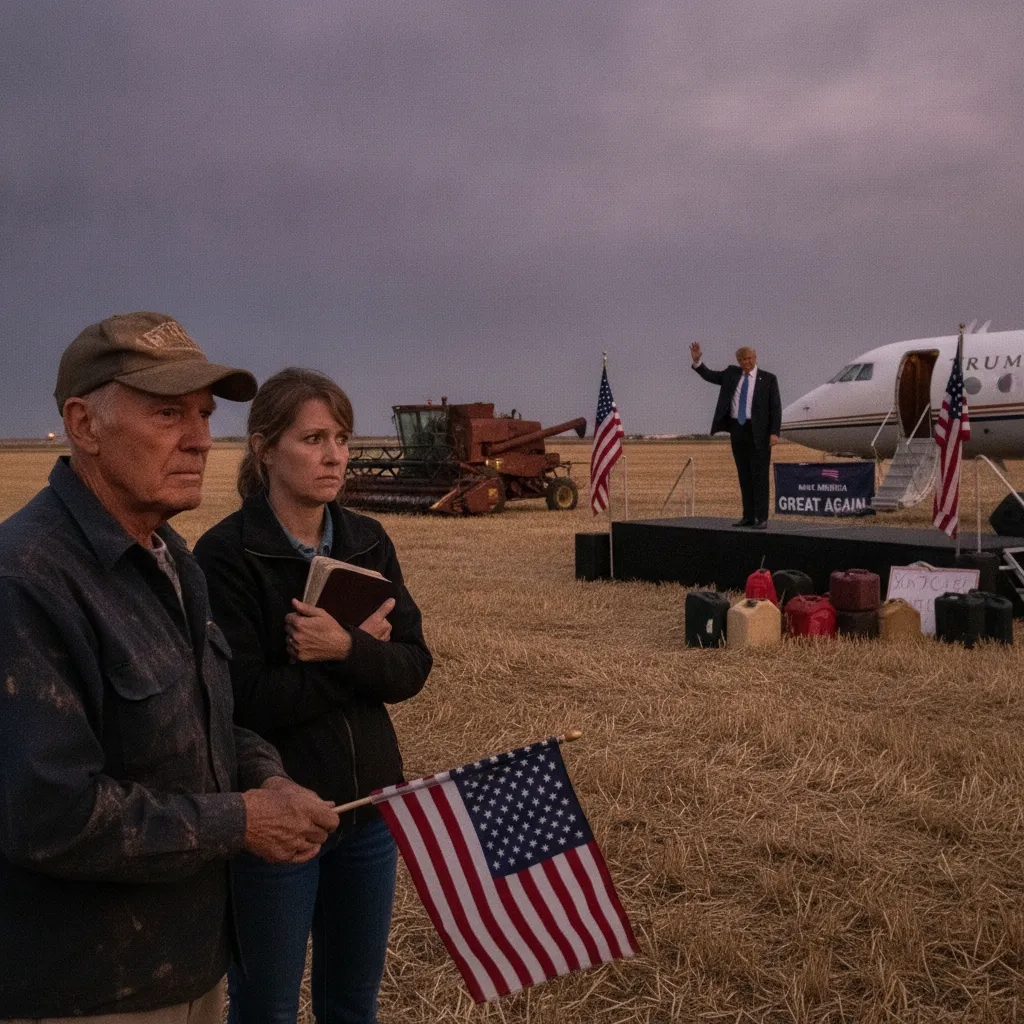

Donald Trump is descending upon Kansas tonight for a high stakes rally intended to galvanize a base that is showing signs of significant fatigue. While the former president seeks to ignite enthusiasm in the final stretch before the midterm elections, he arrives in a landscape defined by economic hardship and deepening resentment among rural voters. For fifth generation farmers like Glenn Brunkow, president of the Kansas Farm Bureau, this harvest season has become a battle for survival as diesel prices soar and profit margins vanish.
The financial pressure is translating into political vulnerability for Republicans in states they once considered untouchable. In Kansas, Senator Roger Marshall is facing a surprisingly stiff challenge from Democrat Adam Hamilton, marking a potential shift in a state where Democrats have not won a Senate seat in nearly a century. Local GOP figures admit that while farmers might not be switching parties en masse, there is a palpable lack of energy to head to the polls, driven largely by the fallout from trade wars and erratic immigration policies.
Some longtime loyalists say they are tired of the fear tactics traditionally used to keep them within the party fold. Don Hineman, a former Republican state House leader, expressed frustration with what he calls a culture of sycophancy surrounding Trump, suggesting that some voters are finally ready to look at alternatives. This sentiment is echoed by residents like Debbie Geneva, who finds herself undecided for the first time in her life as she weighs her lifelong loyalty to the GOP against rising healthcare costs and perceived neglect from sitting representatives.
Despite these cracks, the Trump campaign continues to lean on direct appeals and targeted relief measures, such as recent executive orders aimed at lowering diesel taxes for farmers. However, critics argue these gestures are too little too late for families struggling with input costs that have jumped significantly over the last year. As Trump moves toward similar stops in Iowa and Nebraska later this week, the central question remains whether his brand of populism can outweigh the lived reality of an agricultural community feeling squeezed from all sides.