
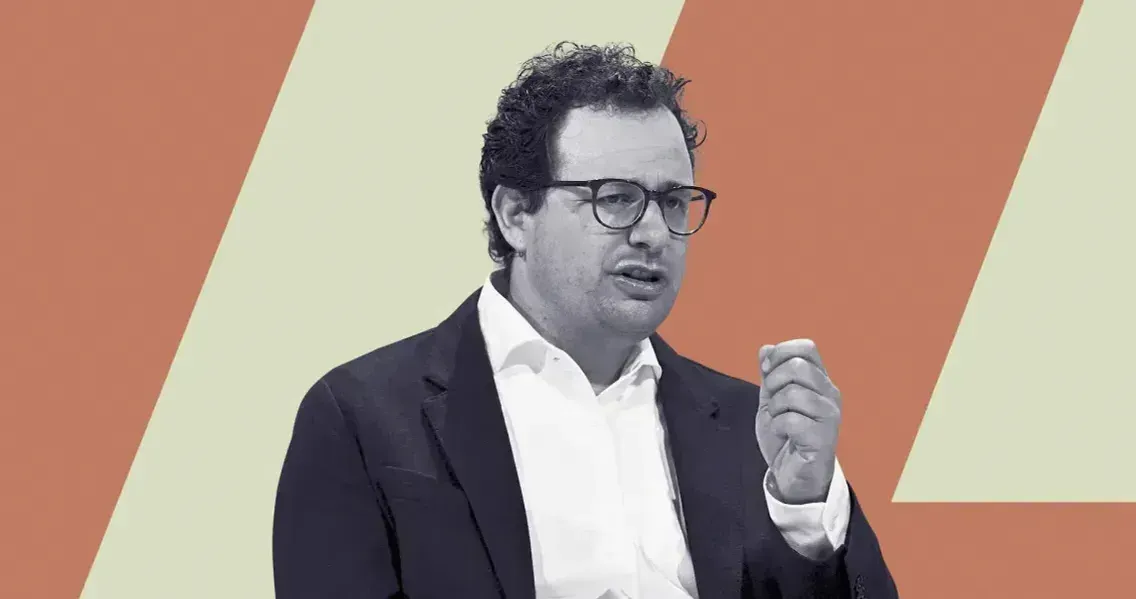



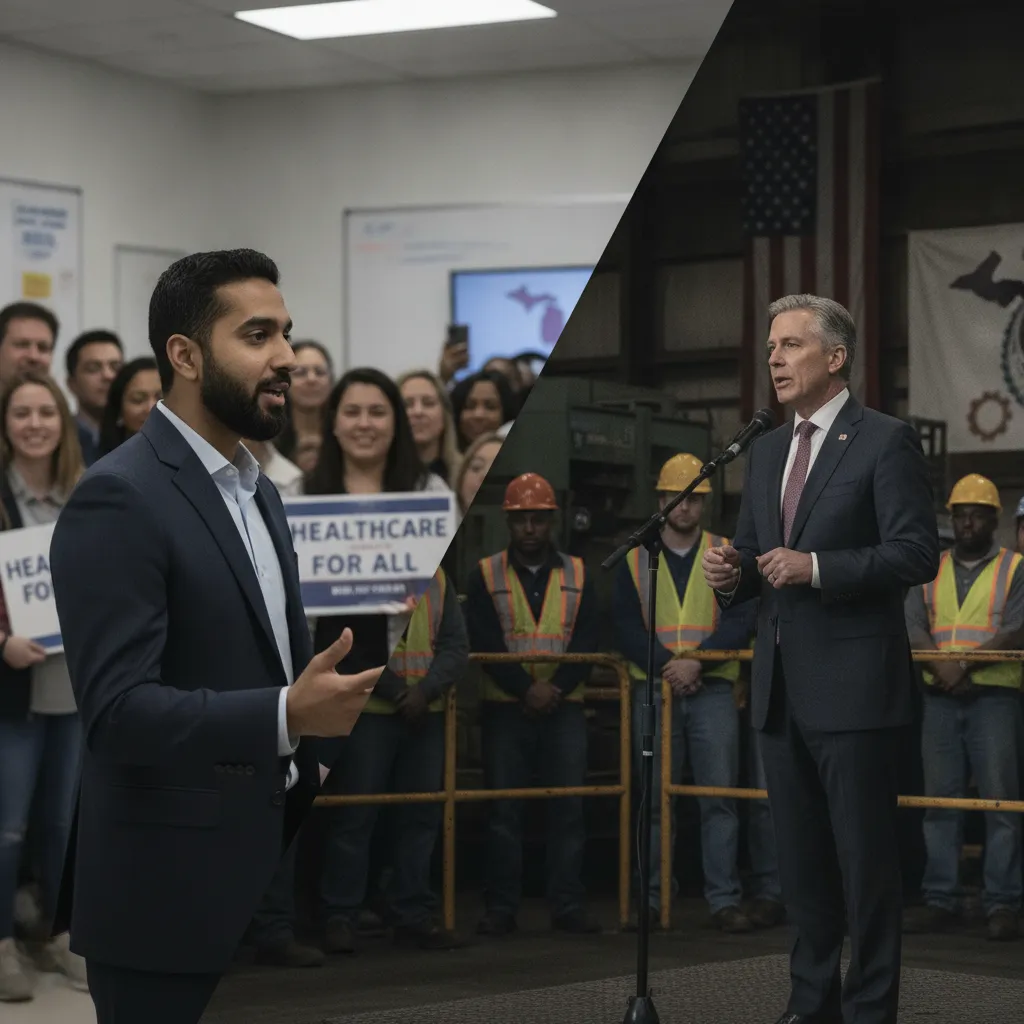

As Tuesday’s midterm elections approach, the fight for control of the U.S. Senate may very well hinge on Michigan. In a contest defined by starkly different philosophies, Democrat Abdul El-Sayed and Republican Mike Rogers are locked in a tight race that serves as a litmus test for both parties. For Rogers, a former FBI agent and congressman, the challenge is winning in a climate shaped by inflation and fluctuating approval ratings for Donald Trump. Meanwhile, El-Sayed, a physician and son of Egyptian immigrants, is testing whether his progressive agenda can resonate beyond the activist wing of his party to capture the heart of Middle America.
El-Sayed is running on a platform of systemic transformation, advocating for Medicare for All funded by taxes on billionaire wealth and an arms embargo on Israel. While he identifies as a capitalist who believes healthcare should be guaranteed, he has increasingly focused his campaign on the looming threats of artificial intelligence. From students fearing their degrees will become obsolete to rural residents worried about data centers draining local water supplies, El-Sayed argues that AI regulation must become a cabinet-level priority involving an immediate pause on high-risk research.
Mike Rogers is attempting to counter this grand vision by keeping his focus strictly local. Positioning himself as a compassionate conservative and a fixer for Michigan’s specific ailments, Rogers has emphasized childhood literacy as a critical security issue, noting that many young people cannot read well enough to pass military recruitment tests. He has made unconventional stops in predominantly Black neighborhoods, arguing that El-Sayed takes these voters for granted while focusing too much on global aspirations alongside figures like Alexandria Ocasio-Cortez rather than fixing cities like Flint.
The tension between the two candidates often converges on their relationship with Donald Trump. El-Sayed contends that electing Rogers is essentially endorsing Trump’s policies, specifically pointing to costly tariffs that have hurt Michigan’s trade with Canada. Rogers finds himself walking a political tightrope; while he relies on Trump to energize the Republican base, he has admitted his dislike for those same tariffs and suggested he would be willing to override the president if necessary. As an experienced investigator of public corruption, Rogers remains cautious in his phrasing regarding the current administration, insisting his primary loyalty will always lie with the citizens of Michigan.