






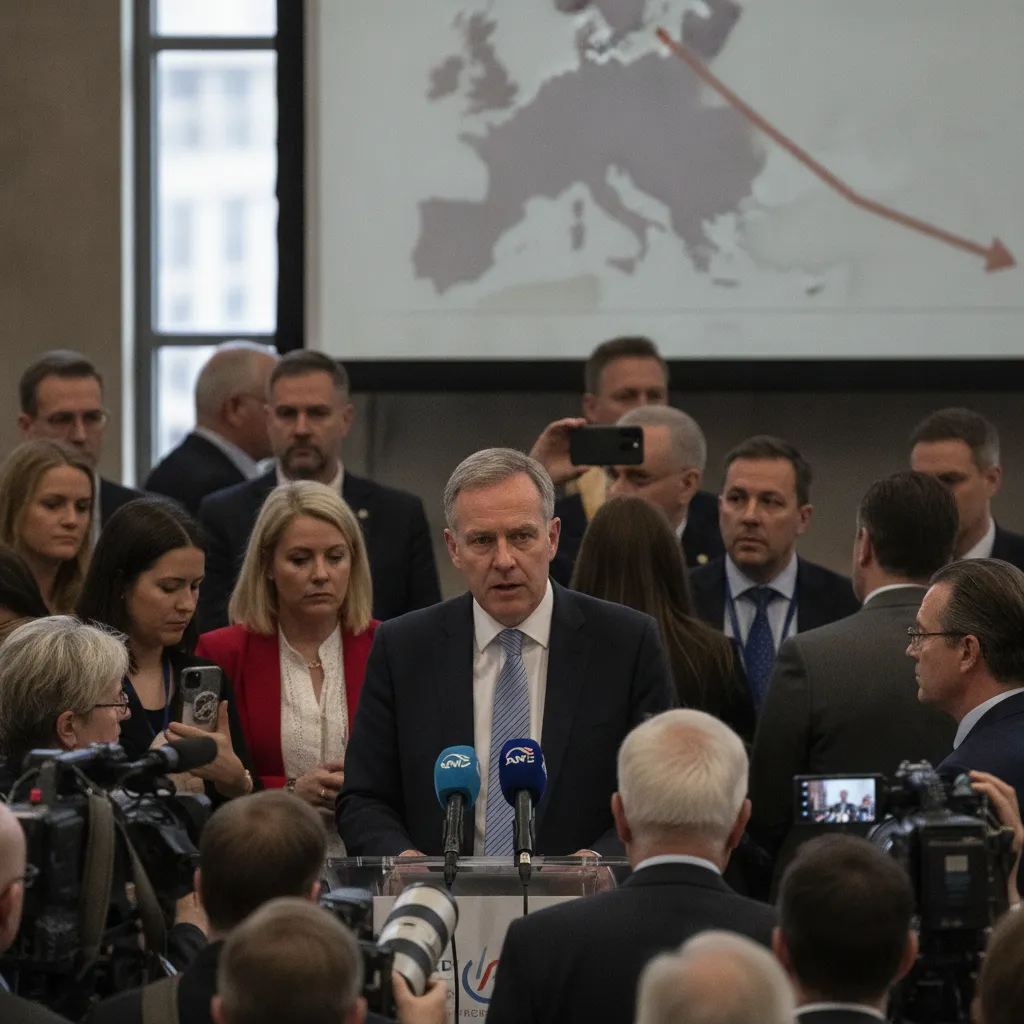

The decision by Andy Burnham to reopen the dialogue regarding Britain’s relationship with the European Union is a move fraught with political peril, yet it is precisely why it should be embraced. Stepping back into the Brexit fray so soon after taking office may appear reckless given the volatility of the topic, but the urgency cannot be ignored. With estimates suggesting that severing ties with its largest trading partner has cost the economy between six and eight percent of its GDP, many now view the exit as a historic act of national self-harm.
Public sentiment appears to have shifted significantly since the 2016 vote, with opinion polls indicating that nearly sixty percent of Britons now believe leaving was a mistake. Despite this growing regret, the path back toward Europe remains cluttered with contradictions. While a majority might support rejoining in principle, that number plummets when faced with the reality of losing previous opt-outs, such as adopting the euro or joining the Schengen Area. This creates a complex landscape where voters desire closer ties but recoil at the perceived loss of sovereignty.
Burnham faces a daunting task in navigating these waters without triggering a full scale political war. His current aim is not an immediate reversal of Brexit, which would violate recent election pledges, but rather an honest conversation about how to reduce friction at borders and revive dying industries. However, even modest suggestions about restoring freedom of movement have already drawn fierce condemnation from figures like Nigel Farage, proving that the wounds of the referendum era remain raw and easily reopened.
Ultimately, success lies in detoxifying the debate by focusing on boring but essential details like regulatory alignment and trade protocols rather than ideological battles. By establishing a cross party committee to oversee upcoming negotiations in Brussels, Parliament could finally prioritize economic growth and security over partisan theater. If Britain can move beyond its instinctive drive toward conflict, it may find a pragmatic middle ground that restores prosperity without reigniting old ghosts.