




There was a time my mum was in the hospital, and I remember how quickly health and money became two worries at once. You’re already concerned about someone you love getting better, and the last thing you want is to start thinking about hospital bills.
That experience made me appreciate just how much financial peace of mind matters when someone needs medical care.
Millions of people live with those concerns. UnitedHealthcare served 48.3 million members in the third quarter. UnitedHealth Group (UNH) brought in $112.7 billion in revenue, slightly below $113.2 billion a year ago. Optum Health’s operating earnings rose to $735 million even as it exited some value-based care markets.
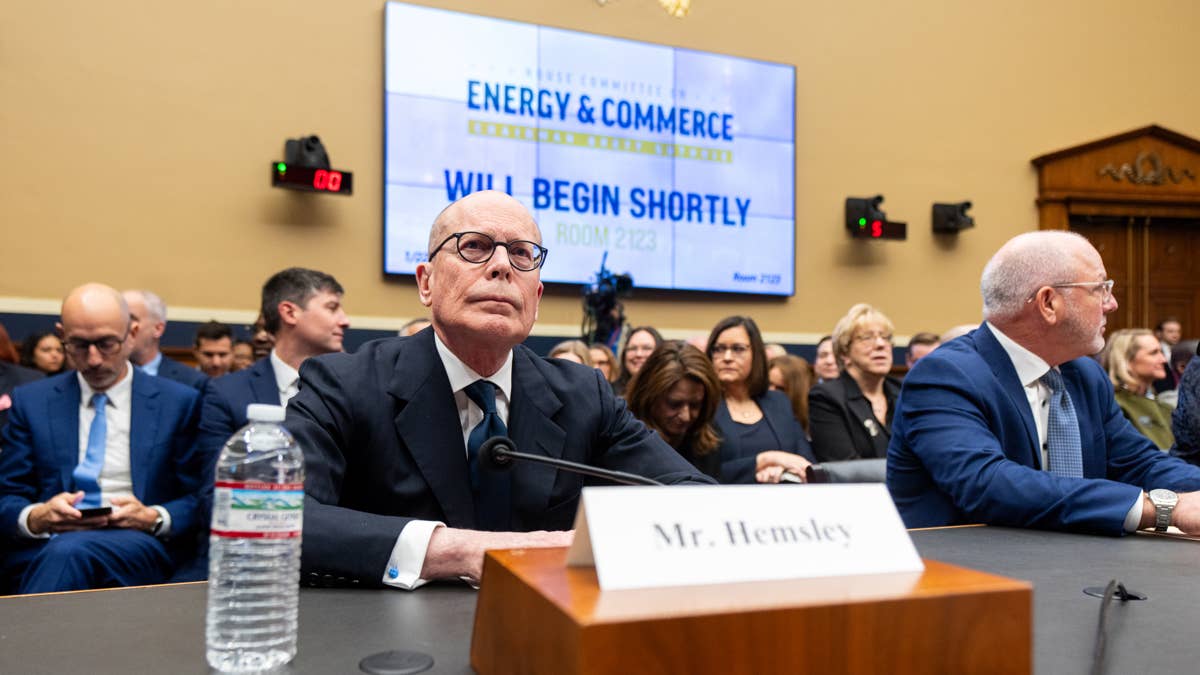
CEO Stephen Hemsley said the results reflect a push toward “a simpler, more supportive experience for patients” and clinicians. UnitedHealth now expects full-year earnings of at least $19.50 per share on a GAAP basis and $20.50 on an adjusted basis.
However, that progress has come at a cost, with the company reducing benefits and exiting certain markets.
Also Read: UnitedHealth CFO delivers blunt verdict on the company’s big reset
UnitedHealth’s margins recover, but costs stay high
In a note shared with TheStreet, Morgan Stanley said it hosted an investor lunch with CFO Wayne DeVeydt, UnitedHealthcare President Bobby Hunter and Medicare & Retirement CEO Betsy Chin.
It kept an Overweight rating and raised its price target to $531 from $529. Morgan Stanley said management’s recovery and visibility into 2027 and 2028 earnings raised its conviction.
Shares have returned 25.87% this year and 13.71% over one year through Oct. 28, according to Yahoo Finance. Morgan Stanley says UnitedHealth trades at 14.8x 2028 earnings, about 0.3 turns below its historical average.
More Healthcare Coverage:
- Mark Cuban warns AI could make US healthcare even worse
- Medicaid’s 5-year rule catches families off guard
- GLP-1 weight-loss drug popularity reaches new heights with Americans
Medicare Advantage, the private plans for older Americans, is the clearest recovery. After years of pricing and product adjustments, margins are at the upper end of the company’s 2%-4% target.
September’s federal landscape file showed benefit cuts and market exits, yet management believes enrollment can grow in 2027. Its HMO and special-needs plans have done well so far in open enrollment, which runs Oct. 15 to Dec. 7.
Where UnitedHealth’s costs still hurt
Employer-sponsored plans are harder. Specialty drugs, hospital care, and out-of-network billing disputes keep margins suppressed. Management is resetting plan design and pricing to return to 7%-9% margins. It may stay near the low end to protect enrollment, with 2027 a foundation year and growth likely in 2028.
People may feel Medicaid most. UnitedHealth expects a “steady stream” of membership attrition through 2027 as states trim rolls ahead of new work requirements and other provisions of the federal budget law known as OBBBA. It still calls Medicaid core and expects growth to restart in 2028.
Related: How many employees does UnitedHealth have? Its workforce, locations & layoffs explained
Thinking back to when my mum was hospitalized, I know how much having reliable financial support matters during a medical emergency. Few things are more worrying than losing health coverage when you need it most. For families already struggling with medical bills, even a small change in benefits can make a big difference.
AI is the biggest swing factor in 2027, management says, and it could be a “grand slam” if executed well. UnitedHealth plans to spend about $4 billion on capital investments in 2027, primarily on AI, following roughly $1.5 billion in AI spending in 2026. Management expects it to take about 12 months for those investments to break even.
In one example, AI cut the cost of its Sarbanes-Oxley internal controls from about $8 million a year to $15,000 a month. Administrative spending should fall in dollar terms in 2026 and 2027, and the CFO said 2027 would look much better if savings were converted to profit rather than reinvested.
Morgan Stanley sees upside if the turnaround holds
Policy is the wild card. With midterms making investors anxious, management wants stability in funding across Star Ratings, which grade plan quality, and risk adjustment. It has engaged more than ever with the administration and CMS, whose leaders echoed that optimism at a Morgan Stanley conference.
Morgan Stanley does not expect UnitedHealth to sue over its 2028 Star Ratings, as Centene, Alignment Healthcare and Clover have.
With debt back to about 40% of capital, management has a “green light” to restart acquisitions in 2027 and beyond, targeting value-based care and fintech-adjacent assets. Morgan Stanley’s illustrative bridges show 2027 earnings up to 15% above its estimates and 14% above consensus at the high end, and 2028 up to 13% and 15%, before any extra AI savings.
Its base case is $531. The bull case is $648 on faster margin recovery, and the bear case is $354 if medical use rises and the recovery slips.
For investors, the verdict is that the turnaround is further along than the share price suggests, but it depends on commercial costs, Medicaid attrition, and regulators. For members, the same fix shows in plans, benefits, and coverage.