







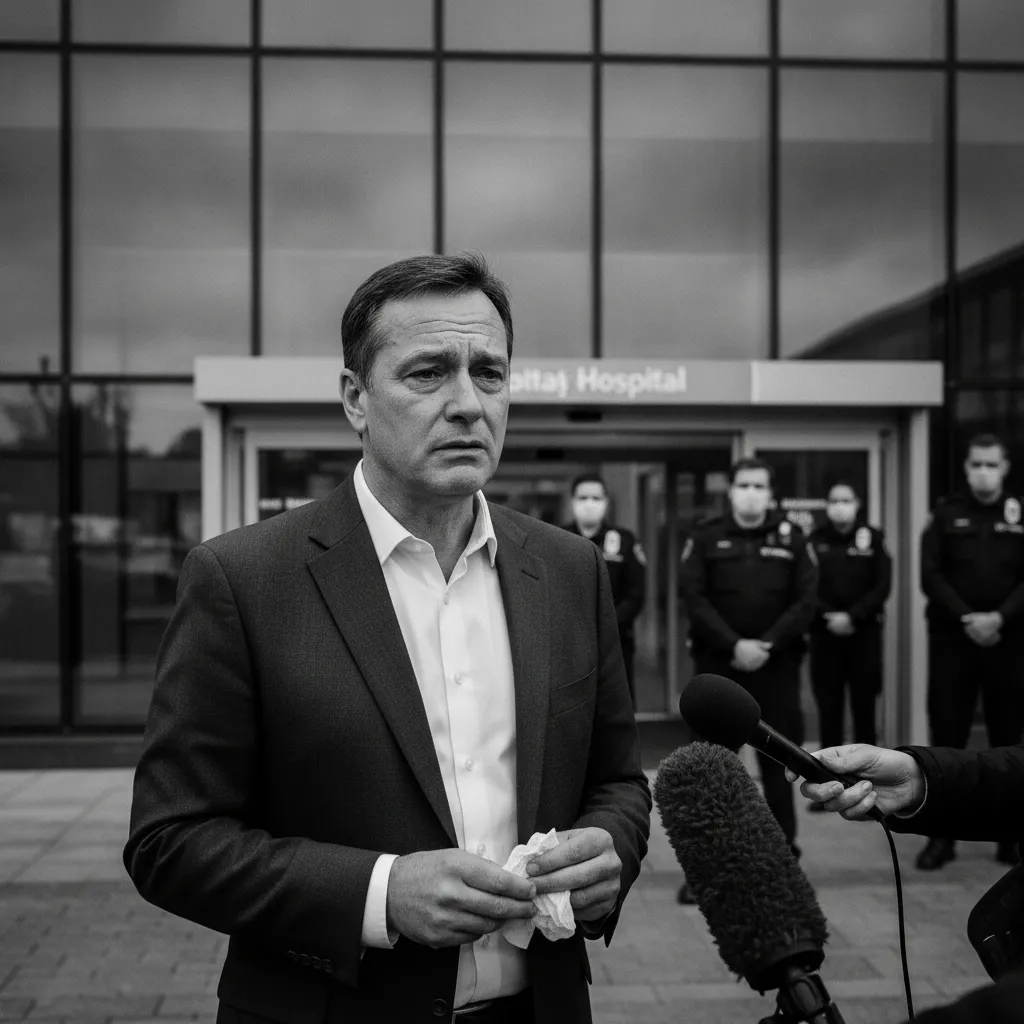

Australia is grappling with a profound sense of shock and reflection following a brutal attack on independent Member of Parliament Helen Haines. On Wednesday, the lawmaker’s husband, Phil, revealed that surgeons were forced to amputate both of her legs after she was intentionally struck by a vehicle near her office in Wangaratta. Despite the devastating nature of her injuries, Mr. Haines spoke emotionally at The Alfred hospital in Melbourne, describing his wife as a fighter and emphasizing that while her recovery will be long and grueling, her heart and mind remain intact.
The assailant, identified as 43 year old Brendan Nugent, appeared in court facing several serious charges including intentionally causing serious injury and the federal crime of harming a public official. While his legal team cited various neurological conditions and potential mental health struggles during his initial hearing, investigators are digging deeper into the motive behind the strike. Victoria Police Commissioner Mike Bush indicated that authorities are exploring whether Nugent held radical anti government views, though no specific intelligence had previously flagged him as an immediate threat.
This violent episode has ignited a national conversation about the deteriorating state of political discourse in Australia. Prime Minister Anthony Albanese joined others in calling for a reduction in societal tension, noting that the world has become far more divided than it was for previous generations. With reports showing that threats against lawmakers have surged in recent years, Governor General Sam Mostyn remarked that the country is yearning for decency and the lost art of disagreeing respectfully without resorting to hatred or violence.
For those who know Helen Haines, she is remembered not only as a politician but as a former nurse and midwife dedicated to transparency and climate action. As she begins her stabilization process in the hospital, the attack serves as a grim reminder of global trends regarding political violence. From the halls of power in Canberra to local offices across Victoria, there is now an urgent push to protect public servants from extremist aggression before such tragedies become common occurrences.