







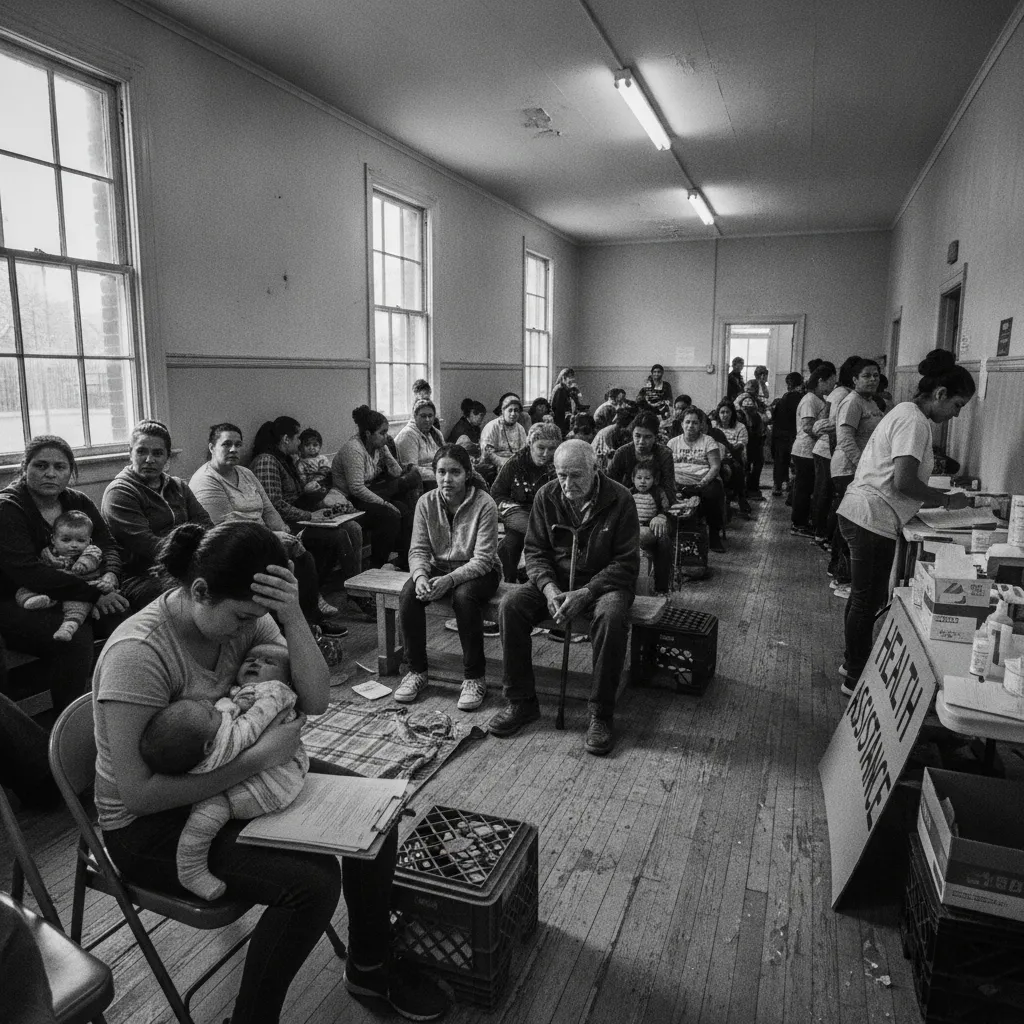

Republican leaders are framing the One Big Beautiful Bill Act as a landmark victory for American workers, emphasizing populist wins like tax cuts on tips and overtime. While these measures provide immediate relief for some, analysts suggest the broader benefits lean heavily toward wealthy citizens. To fund these reductions, the legislation has aggressively trimmed federal spending, resulting in deep cuts to the social safety net that are now beginning to hit households across the country. From food assistance to medical care, millions of Americans are finding themselves squeezed out of essential government support.
The impact is perhaps most visible in the collapse of affordable healthcare options. By allowing enhanced premium subsidies from the pandemic era to expire, the administration has triggered a surge in costs. For many, monthly premiums jumped by nearly 60 percent for 2026, forcing families to choose between high deductible plans or losing coverage entirely. Federal data shows a sharp decline in enrollment for the first time in seven years, with some states seeing catastrophic drops. In Mississippi alone, hundreds of thousands have become uninsured as prices soared beyond their reach.
Beyond the marketplaces, the law delivers a massive blow to Medicaid through what experts call the largest funding cuts in the program’s history. A central pillar of this shift is a new federal work requirement demanding that eligible adults work or volunteer eighty hours a month to maintain their health coverage. Early implementation in states like Nebraska has already seen residents lose access due to strict mandates and bureaucratic paperwork hurdles. Critics argue that narrow exemptions for the medically frail make it even harder for those with chronic illnesses to stay covered.
As we look ahead, the instability appears set to grow. Nonpartisan researchers warn that another round of steep premium increases is likely for 2027, potentially pushing more people into precarious financial positions. With narrowed eligibility for immigrants and stricter recertification rules creating more opportunities for administrative errors, a growing segment of the population—including millions of children—is slipping through the cracks of a shrinking safety net while the administration maintains these losses are merely corrections against fraud.