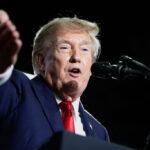



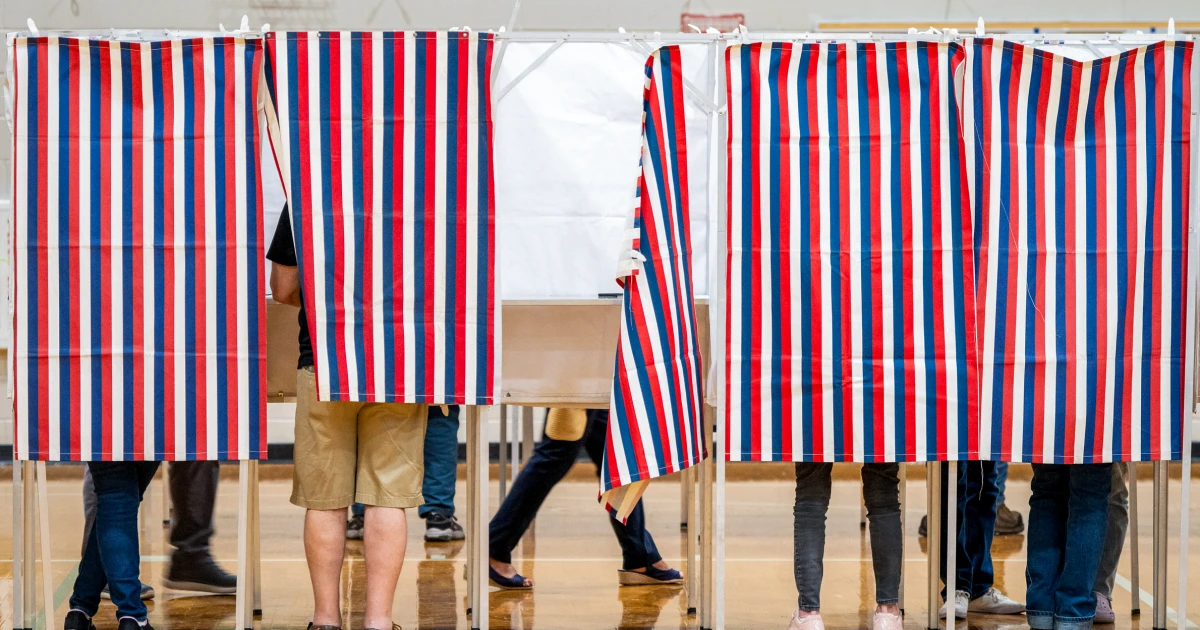

All eyes are on New Hampshire tonight as voters head to the polls for a series of primaries that serve as a critical litmus test for both major parties. For Republicans, the evening is largely about the enduring power of Donald Trump’s endorsement. His backing is central to the Senate primary, where former senator John Sununu is locked in a high-profile battle against fellow former senator Scott Brown. While Sununu hopes his family legacy and establishment support will carry him to victory, Brown relies on his previous diplomatic experience under Trump to make his case.
On the Democratic side, Representative Chris Pappas enters the night as the clear favorite to succeed retiring Senator Jeanne Shaheen. Pappas has spent much of his campaign focusing on economic stability and fighting corruption, positioning himself early for a general election fight. However, he faces a spirited challenge from the left in the form of Karishma Manzur, a scientist and member of the Democratic Socialists of America. Manzur has pushed her campaign onto more progressive terrain, criticizing Pappas over his stance on Israel and advocating for Medicare for All.
While New Hampshire captures the immediate spotlight, these races are part of a broader national struggle for Senate control that extends far beyond the Granite State. In Texas, Republicans are doubling down on cultural grievances to gain an edge. A super PAC funded by Elon Musk recently launched ads targeting Democratic candidate James Talarico over transgender issues, echoing strategies used during the 2024 presidential cycle. Talarico has attempted to pivot the conversation toward billionaire influence and wealth inequality, arguing that focus on identity politics distracts from real economic hardships.
Ultimately, tonight represents more than just local nominations; it is a glimpse into which messages will resonate heading into November. With inflation and global instability weighing heavily on voters’ minds, analysts are watching closely to see if traditional culture-war tactics still hold sway or if pragmatic concerns regarding gas prices and groceries have become the dominant drivers of American political behavior.