








Tech commentator Kara Swisher is voicing strong skepticism over the growing presence of Elon Musk in the American political arena. In recent discussions regarding the billionaire’s influence, Swisher suggested that despite his vast resources and public profile, there is little genuine appetite among the general public to see him integrate himself further into formal politics. Her comments come at a time when Musk has transitioned from an industry disruptor to a powerhouse financial engine for specific political agendas.
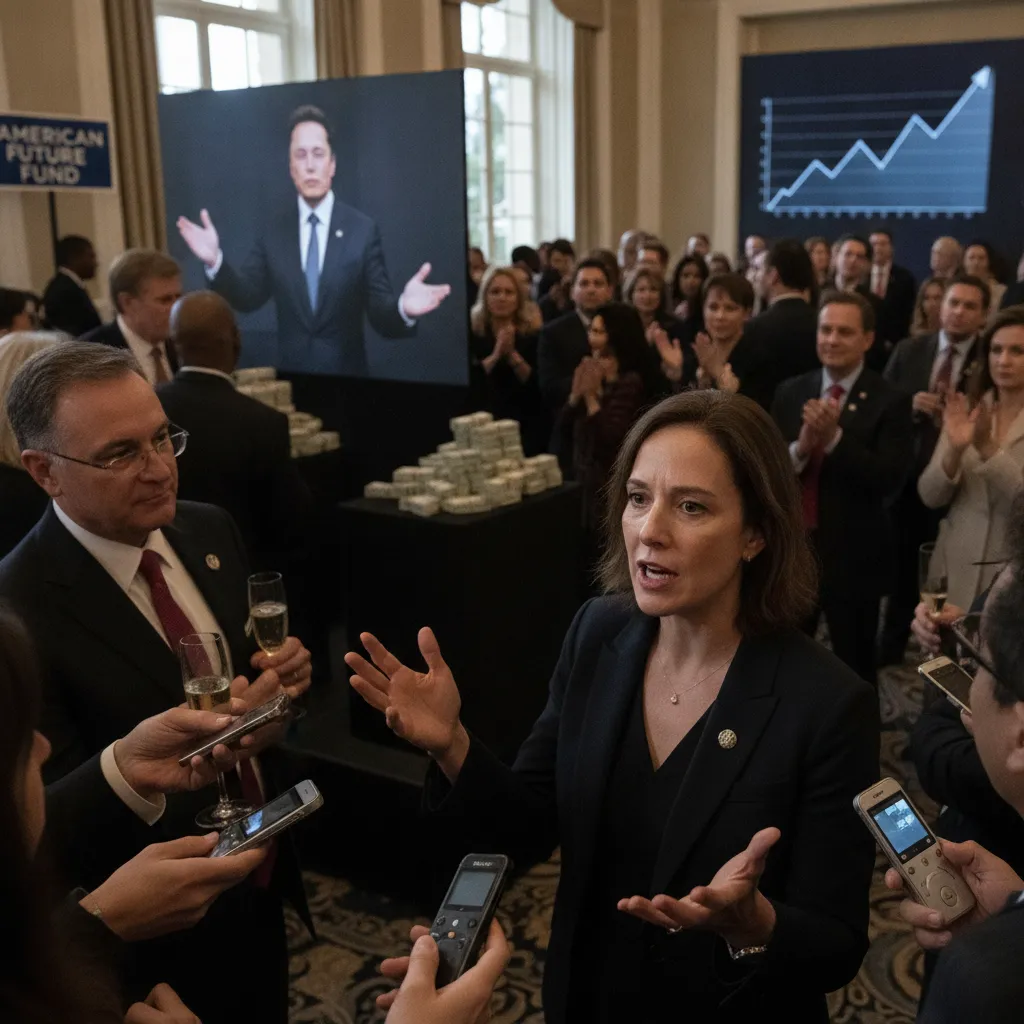
The scale of Musk’s involvement has become impossible to ignore following reports on current campaign finance records. Since July, the world’s wealthiest man has funneled at least 276 million dollars into efforts to help Republicans maintain their grip on Congress during the midterm elections. This massive infusion of cash positions him as likely the single largest individual donor in these races, raising questions about how much weight a private citizen should be allowed to throw around in democratic processes.
While some strategists argue that such funding is essential for victory, others share Swisher’s concern that wealth alone does not translate to effective governance or leadership. The tension highlights a broader national debate over the intersection of extreme wealth and electoral power, especially when that power comes from figures who operate outside traditional party structures but wield immense sway through social media and global business empires.