
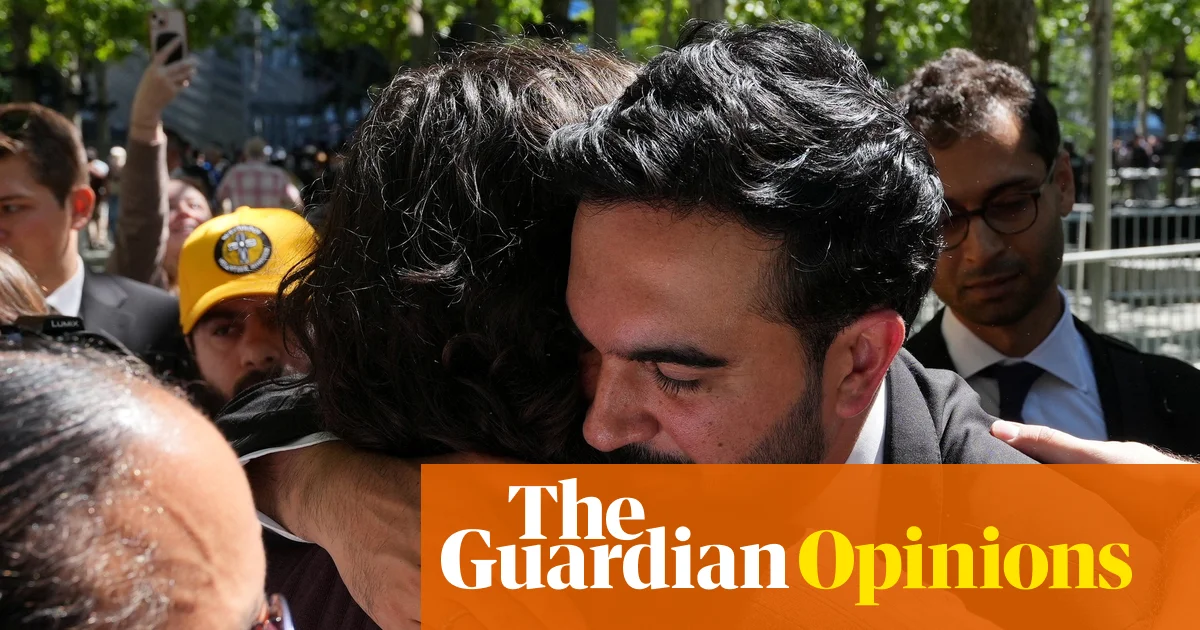

Two and a half decades after the trauma of September 11, New York City finds itself caught between two conflicting eras. On one hand, there is the rise of Habibi City, a vibrant cultural shift led by a generation from South West Asia and North Africa that is finally claiming its space in the American consciousness. These individuals are no longer relegated to the sidelines of bodega shops and halal carts; instead, they are becoming fixtures of Saturday Night Live, high end dining, and influential political circles. Figures like Zohran Mamdani embody this emergence, representing a cohort that balances deep loyalty to their local neighborhoods with an unwavering concern for global struggles in places like Gaza.
Yet, this ascent comes alongside a stubborn and deepening vein of prejudice. While Muslim Americans accumulate more social clout, Pew research indicates that public attitudes toward Islam have grown significantly more negative and partisan since 2002. The tragedy of this paradox is evident when leaders like Mamdani are viewed not as citizens or representatives, but as proxies for the terrorists of twenty years ago. From accusations by senators calling candidates terrorists to claims that any Muslim in public office is a threat to national security, the rhetoric from the American right continues to paint an entire community as the enemy.
This friction stems largely from a clash of perspectives on what it means to be American. A new generation of immigrants has developed a form of political cosmopolitanism that rejects blind faith in American exceptionalism. Having witnessed the catastrophic fallout of the war on terror and unconditional support for Israel, these leaders offer a critique born from lived experience rather than mere ideology. For many, growing up under the shadow of Islamophobia did not lead to quiet assimilation but instead forged a sharp political identity that refuses to stay silent in the face of injustice.
Ultimately, this movement represents something larger than just religious or ethnic representation; it is a cornerstone of a broader progressive push within the United States. By rooting their politics in material concerns regarding standards of living and challenging failed foreign policies, these figures are building coalitions with others who feel abandoned by the political establishment. When Mamdani recently shared a sobering handshake with Rudy Giuliani at a 9/11 memorial service despite previous calls for his exclusion, it served as a poignant visual metaphor for the current moment: one man embodying an era defined by division and fear, and another signaling a future built on resilience and inclusion.