

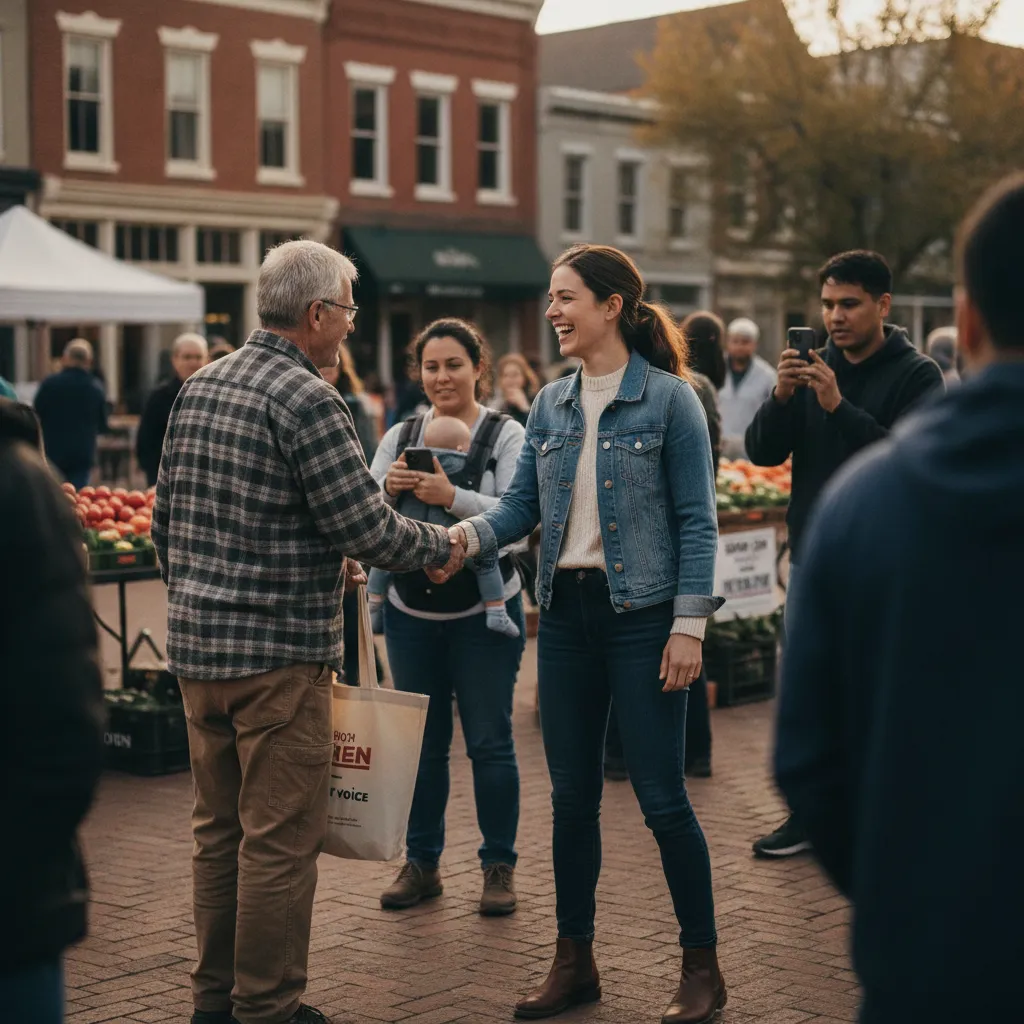

Across the United States, candidates vying for seats in the upcoming midterm elections are discovering that what they wear is just as important as what they say. In an era dominated by quick scrolls through social media feeds, personal style has evolved into a strategic tool used to project authenticity and connect with specific voter bases. As celebrity fashion stylist Joe Zee observes, modern politicians are essentially dressing for two roles simultaneously, attempting to appear capable of governing while remaining relatable enough to feel like one of the people.
In regions like the Pacific Northwest and Alaska, this translates to a rugged, outdoorsy aesthetic. Democrat Marie Gluesenkamp Perez, a former car repair shop owner in Washington, relies on flannel shirts and sturdy work jackets to champion a working class image that resonates with her constituents. Similarly, Alaska’s Mary Peltola blends functional puffer jackets with traditional Yup ik boots and indigenous inspired accents, signaling her deep roots in the state and her history working on fishing boats. For these candidates, abandoning formal attire is a calculated move to prove they belong in the environments they wish to represent.
Other candidates are leaning into a more overt brand of patriotism. Republican Ashley Hinson of Iowa utilizes classic Americana elements like denim and bandanas to court rural voters. By appearing in bedazzled American flag pumps during primary events, Hinson creates a visual shorthand for her political loyalties that requires no explanation. This strategy provides a distinct advantage in the digital age, allowing her to cultivate an unmistakable identity that communicates her values in a fraction of a second.
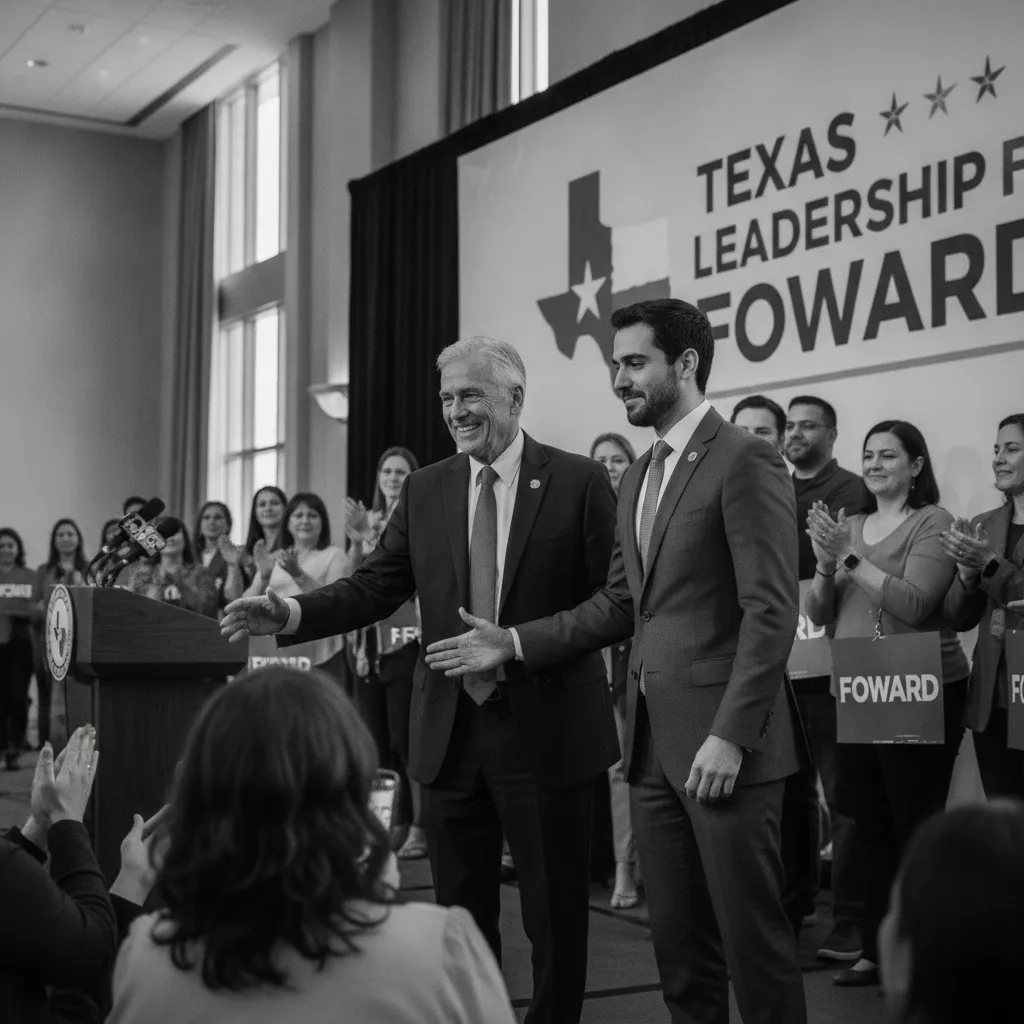
Even in traditionally conservative strongholds like Texas, the rigid standards of political dress are shifting toward something more fluid. Both Ken Paxton and James Talarico have traded stiff suits for relaxed blazers and cowboy boots, suggesting that the traditional necktie has lost its grip on the campaign trail. However, the shift toward casual wear carries risks; Paxton found himself criticized for wearing luxury brands like Four Seasons polos and expensive watches during discussions about inflation. These wardrobe choices serve as a reminder that while a simple outfit can bridge gaps between parties, it can also accidentally signal wealth and detachment if not handled carefully.