




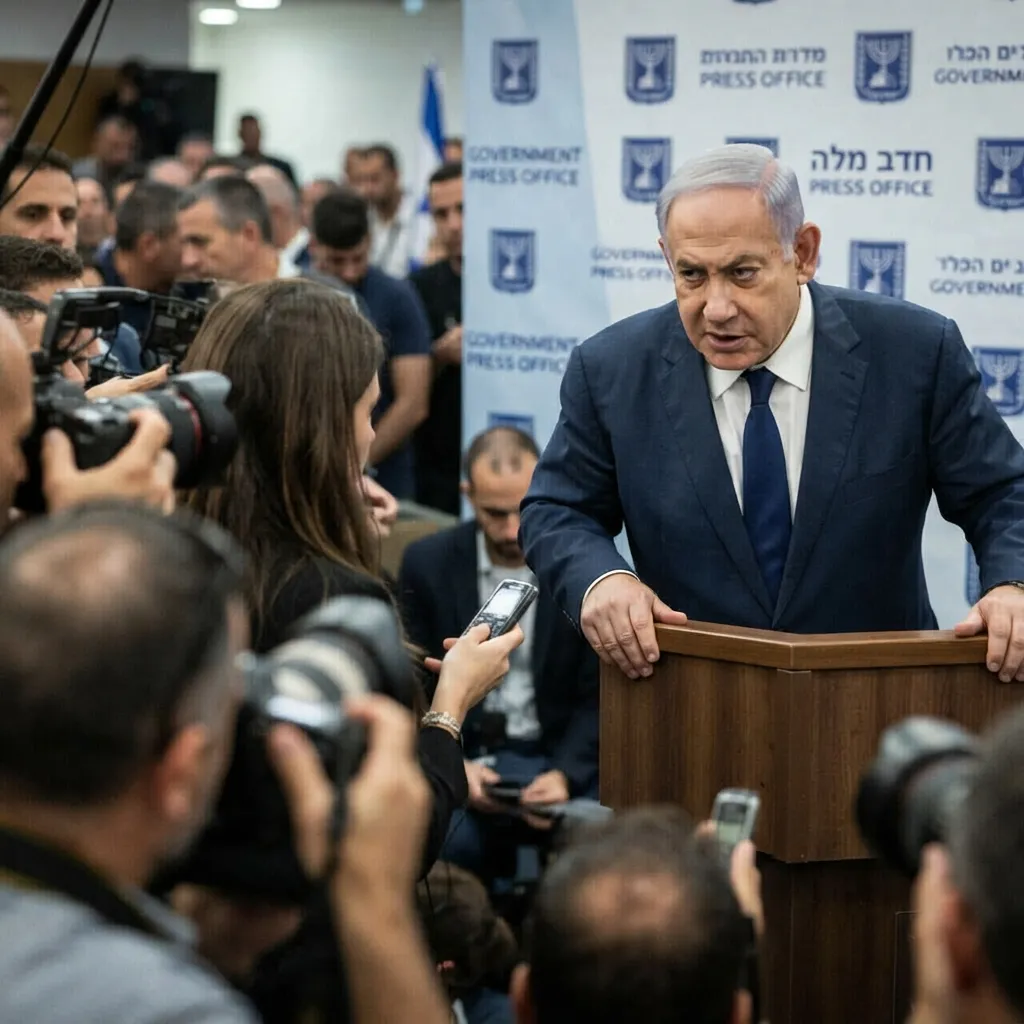

Benjamin Netanyahu appears to be fighting for his political life in a manner that has left many observers fearing for the stability of Israeli democracy. Since the October 27 elections, the caretaker prime minister has shifted from traditional campaigning to an aggressive offensive against his opponents, casting doubt on the legitimacy of the vote results. As Gadi Eisenkot works toward forming a viable coalition government, Netanyahu has focused much of his ire on Palestinian citizen parties within Israel, leveling baseless accusations of cheating and attempting to tarnish their reputations to prevent them from joining a governing alliance.
This desperate struggle for power is playing out against a backdrop of alarming instability. Reports suggest that the Shin Bet domestic intelligence agency may have attempted to wiretap Arab lawmakers and arrest politicians on election day, moves that were ultimately blocked by the attorney general. Opposition figures such as Yair Lapid and Yousef Jabareen have characterized these maneuvers as an attempted coup, while investigators look into whether the prime minister’s office actually fabricated claims of vote buying to disrupt the transition of power. This volatile atmosphere has emboldened right wing protesters who have openly threatened civil war and accused rivals of treason.
For Netanyahu, staying in office is less about policy than it is about personal preservation. Outside the protective shield of the premiership, he faces significant legal peril through ongoing corruption trials involving bribery and fraud that could lead to years in prison. Furthermore, there are growing demands for a state inquiry into his government’s failures leading up to the devastating October 7 attacks, especially given reports that he ignored warnings from regional allies. Without official immunity and influence, these challenges would move from distant threats to immediate realities.
Analysts describe a man acting like a wounded animal who views losing an election not as a democratic outcome but as an existential threat. By fostering internal division and flirting with conflict abroad, some argue he is intentionally creating chaos to make himself indispensable once again. With echoes of past political assassinations resurfacing in extremist rhetoric and protests intensifying outside the homes of opposition leaders, the window for a peaceful transfer of power is narrowing as Netanyahu clings to every possible lever of control regardless of the national cost.