






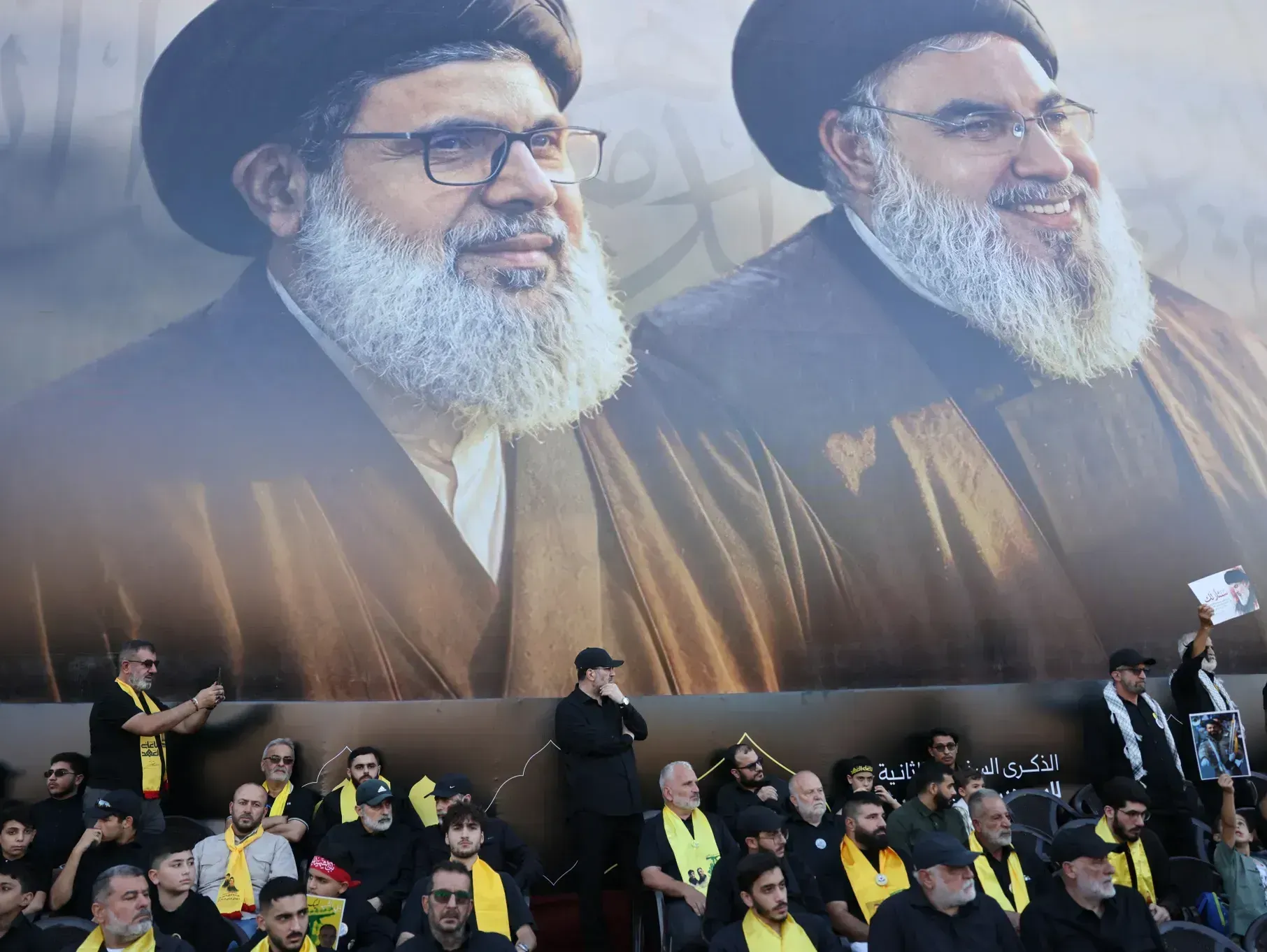

The landscape of Lebanese politics has undergone a seismic shift since October 8, 2023, when Hezbollah decided to enter the conflict with Israel in support of Gaza. What began as a unilateral move intended to project strength has instead evolved into a profound crisis of legitimacy for the Iranian-backed group. For years, Hezbollah operated as the undisputed military and political heavyweight within Lebanon, wielding enough influence to make or break governments and suppress internal dissent through sheer force. However, that aura of invincibility vanished as the group found itself caught in a destructive cycle of escalation it could not control.
Analysts suggest that Hezbollah fundamentally miscalculated the extent of Israeli intelligence penetration long before the heaviest fighting began. This vulnerability became painfully evident during the coordinated pager attacks in September 2024 and the subsequent targeted assassinations that decimated the group’s top brass, including longtime Secretary-General Hassan Nasrallah. These losses did more than just strip away leadership; they shattered the image of the sophisticated military machine that Hezbollah had spent decades promoting to its followers and rivals alike.
The fallout extended far beyond the battlefield, triggering a domestic political realignment. Because Hezbollah entered the war without consulting the Lebanese cabinet or considering the plight of residents in the south, many citizens felt betrayed by a group that prioritized regional ideological goals over national stability. This resentment galvanized opposition forces and paved the way for a government taking a significantly firmer stance against the organization’s autonomy. While experts note that Hezbollah remains a potent force, it is no longer the untouchable hegemon it once was.
Further compounding these struggles was the sudden collapse of the Assad regime in Syria, which severed critical land bridges used for Iranian weapons shipments and funding. Between repeated Israeli invasions and massive displacement affecting millions of civilians, Hezbollah now faces an existential struggle to maintain its relevance. Once seen as the protector of Lebanon’s borders and sovereignty, the group now finds itself politically weakened and struggling to justify its role in a nation scarred by its decisions.