







As the November elections draw closer, several Republican gubernatorial nominees in critical battleground states appear to be shifting their rhetoric regarding the 2020 presidential election. After spending months or even years casting doubt on the legitimacy of Joe Biden’s victory, these candidates are now attempting to pivot away from those claims in an effort to broaden their appeal to a wider electorate.
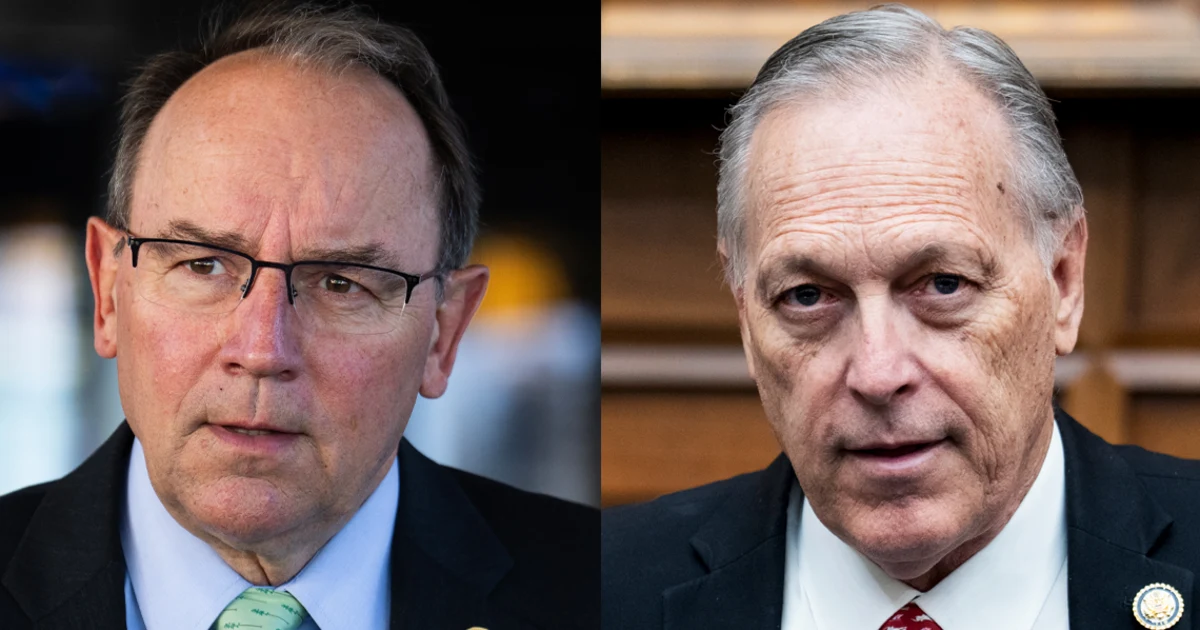
The shift is becoming evident through both direct admissions and strategic silence. In Wisconsin, Representative Tom Tiffany has recently acknowledged that Joe Biden did indeed win the 2020 contest, marking a notable departure from previous skepticism. Meanwhile, Arizona’s Representative Andy Biggs has adopted a different tactic, carefully steering conversations away from the topic altogether whenever it arises during campaign events.
Political analysts suggest this change in tone reflects a growing awareness among GOP strategists that focusing on old grievances may alienate moderate and independent voters who view the 2020 results as settled law. By distancing themselves from election denialism, these candidates hope to refocus the public conversation on current policy issues rather than lingering disputes over a past cycle.
This trend highlights a delicate balancing act for Republicans running in swing states. While they must maintain support from a base that remains loyal to former President Donald Trump’s narrative, they also need to project stability and acceptance of democratic norms to secure a winning coalition come Election Day. Whether this sudden change in tune will resonate with voters or be viewed as opportunistic remains to be seen.