








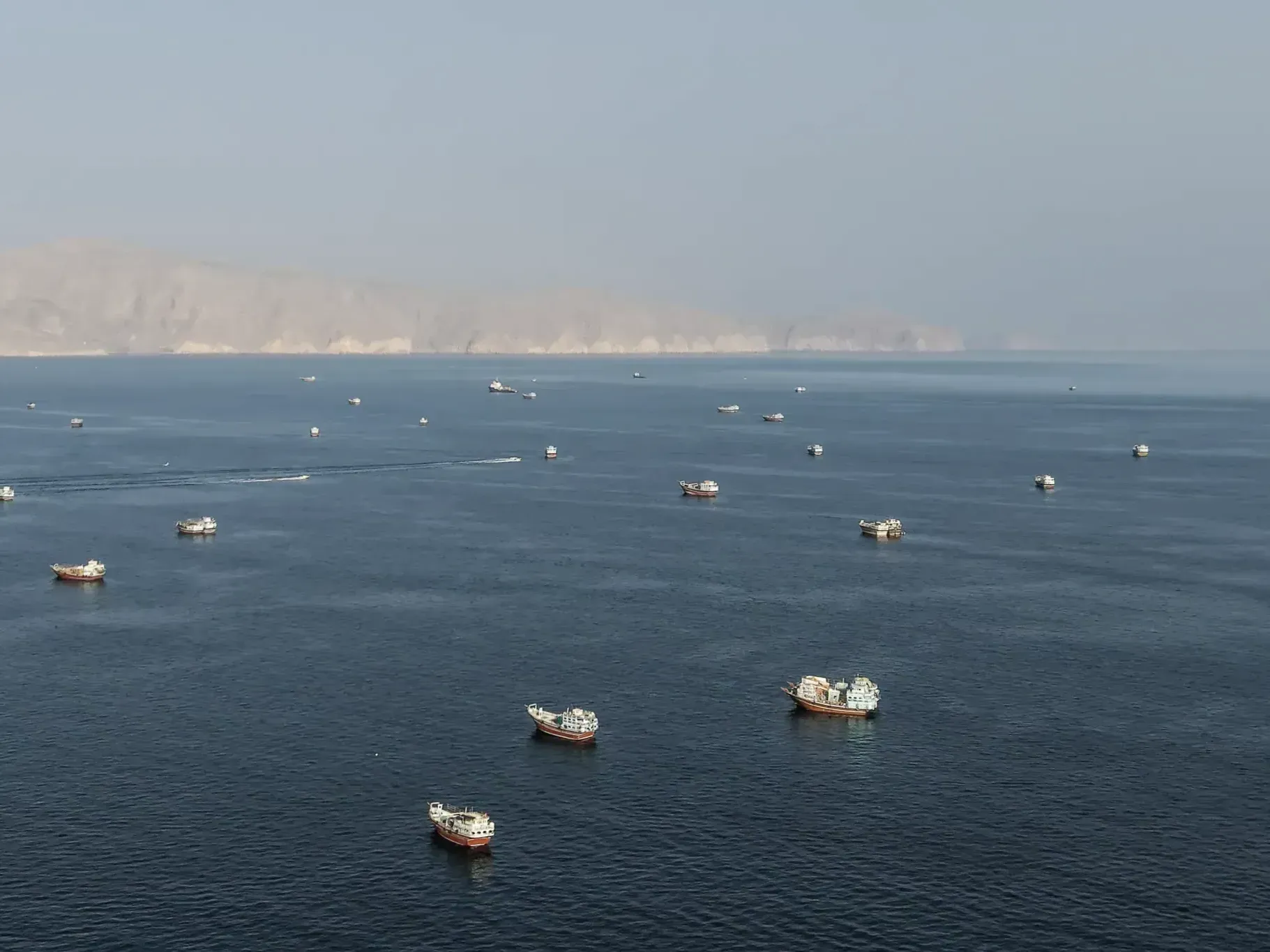

Despite escalating geopolitical friction and threats of maritime blockades, oil shipments from the Middle East have surprisingly surged past previous benchmarks. Recent provisional data from shipping tracker Kpler reveals that regional crude exports climbed to between 19.5 and 22.5 million barrels per day during several stretches in late September. This marks a notable increase over the average of 18 million barrels seen prior to the outbreak of hostilities between the U.S., Israel, and Iran.
These numbers stand in stark contrast to claims coming out of Tehran. Senior Islamic Revolutionary Guard Corps commander Ali Fadavi recently dismissed current traffic through U.S. supervised routes in the Strait of Hormuz as negligible, asserting that volumes have plummeted compared to pre-war levels. Fadavi further claimed that American naval assets have been pushed back from the Gulf and northern Indian Ocean, leaving them vulnerable to potential attacks by Iranian forces.
While tankers continue to move across the region, the environment remains volatile. The United Kingdom Maritime Trade Operations has reported nearly daily attacks in the Gulf of Aden and the Strait of Hormuz throughout early October. Adding to the tension, Iranian Parliament Speaker Mohammad Bagher Ghalibaf stated that the strategic waterway will remain effectively closed until Washington agrees to specific terms outlined in a proposed reopening plan.
Beyond crude oil, other energy sectors are showing similar resilience. Liquefied natural gas shipments passing through the Strait of Hormuz reached their highest monthly peak since February during September’s surge. While some vessels may be masking their movements by disabling tracking transponders to evade detection, the available data suggests that global energy markets are continuing to flow even as military rhetoric intensifies along these critical corridors.