

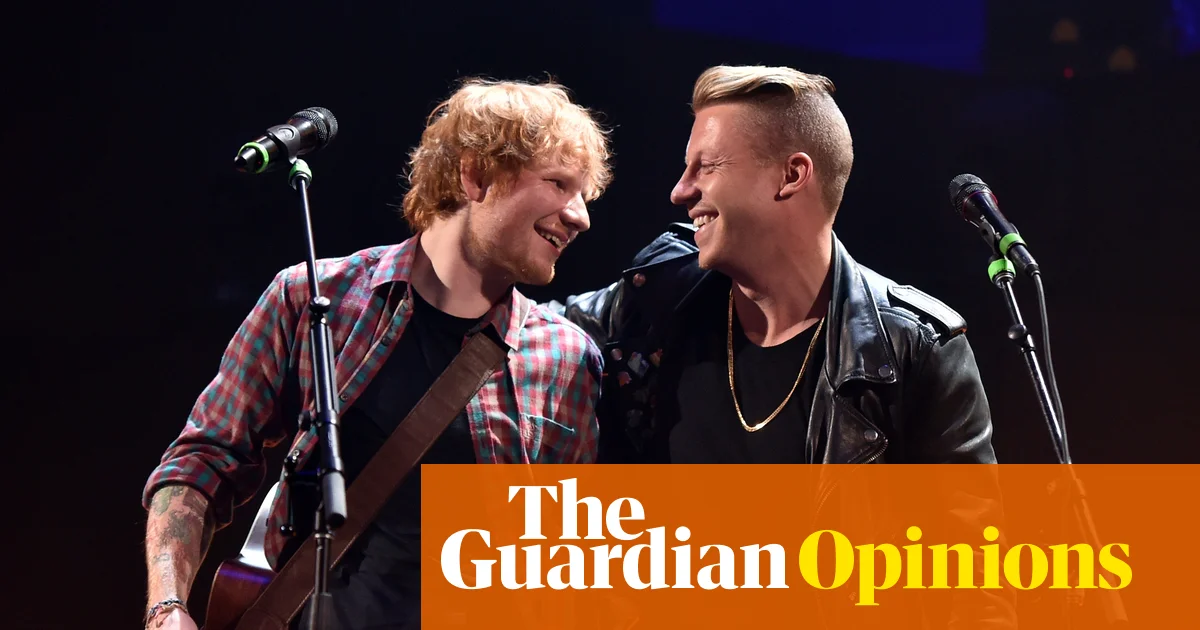

Ed Sheeran has long cultivated an image of himself as a diplomatic figure, someone who uses his global stardom to provide a safe sanctuary where fans can escape the noise of modern politics. However, that carefully maintained neutrality has come under intense scrutiny following the removal of rapper Macklemore from his US stadium tour. After Macklemore used his stage time in New Jersey to call for a free Palestine, he was barred from performing at Gillette Stadium by its owner, Robert Kraft. While Sheeran claimed he was not complicit in the decision and argued that shouting the loudest rarely effects change, his attempt to remain above the fray has instead highlighted the inherent political nature of silence.
The tension reached a breaking point when every other artist on the tour decided they could no longer coexist with Sheeran’s apolitical stance. Support acts including Finneas, Lukas Graham, Aaron Rowe, and the backing band Beoga all pulled out of their remaining dates in a collective protest against the censorship of Macklemore and in support of the Palestinian people. For these musicians, staying on the tour while another artist was purged for speaking out was not a neutral act but an endorsement of corporate overreach. Their departure transforms Sheeran’s claim that he wanted to protect his crew and fans from disappointment into something far less noble, suggesting that avoiding inconvenience is poor substitute for having a moral backbone.
This clash reveals a deeper hypocrisy in Sheeran’s narrative of total neutrality. Despite his current insistence on staying out of politics to keep conversations open, his history tells a different story through past endorsements of Jeremy Corbyn and participation in events like the Concert for Ukraine. By pretending now that he is powerless against the whims of billionaire venue owners like Robert Kraft, Sheeran risks appearing either willfully naive or entirely subservient to corporate interests. As critics note, choosing not to take a side when facing systemic censorship is effectively taking the side of those doing the censoring.
For smaller artists like Aaron Rowe, who had perhaps the most to lose financially by walking away, the decision was rooted in ancestral memory and historical justice rather than career strategy. This stands in stark contrast to Sheeran’s commercial approach to pop music. When high profile figures deny the power of their own voices, they inadvertently pave the way for powerful entities to dictate what can be discussed in public spaces. In trying to ensure his concerts remained an escape from reality, Sheeran may have accidentally demonstrated exactly why art cannot be separated from the struggle for human rights and free expression.