







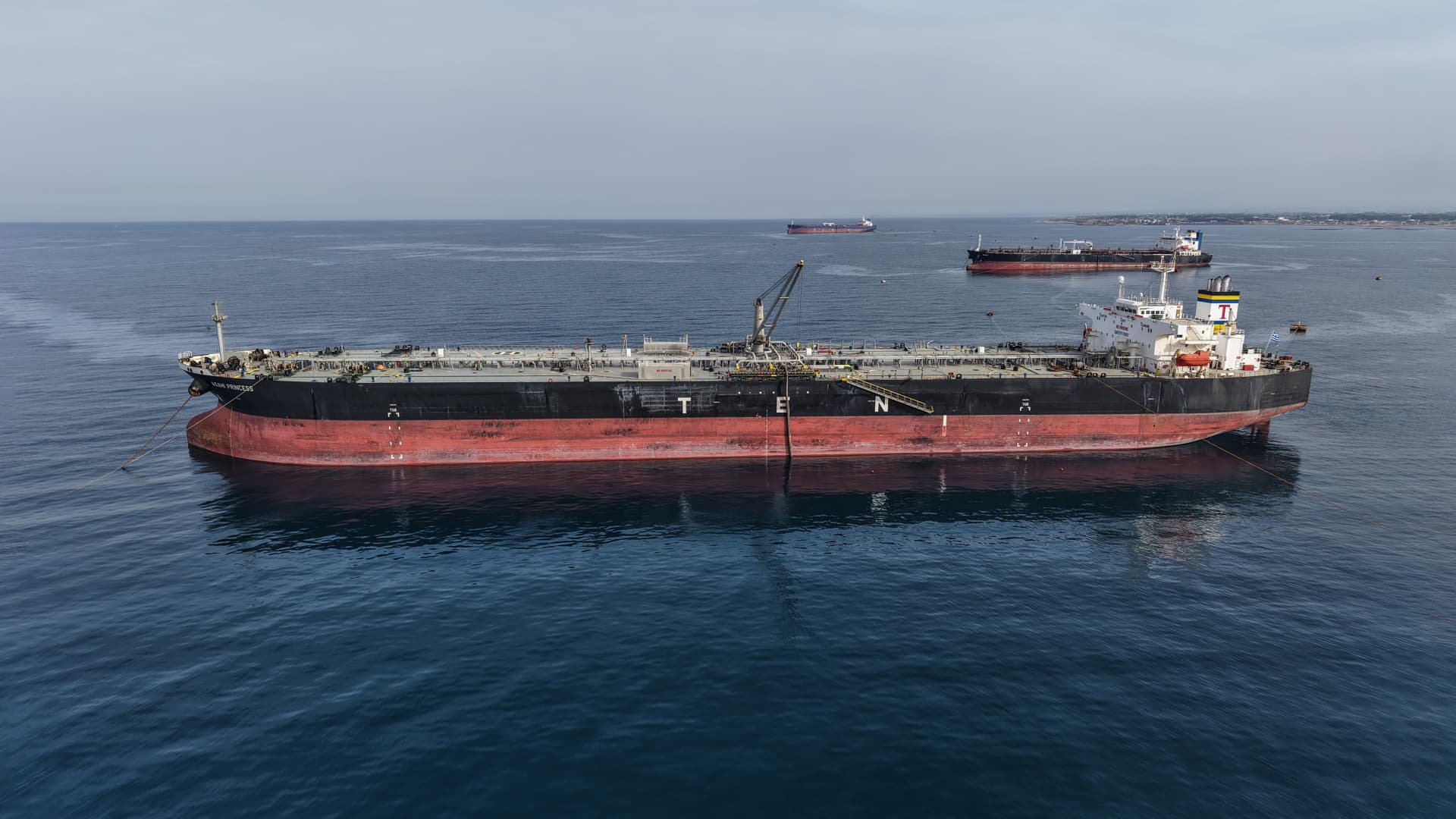

Global oil markets surged during Asian trading on Monday as geopolitical tensions spiked following President Donald Trump’s decision to reject a diplomatic overture from Tehran. Brent crude climbed nearly three percent to reach 107.34 dollars a barrel, while U.S. crude futures also saw significant gains, rising to over 94 dollars. The price jump comes as traders react to the increasing likelihood of prolonged instability in one of the world’s most critical energy corridors.
The volatility follows a failed attempt by Iranian Foreign Minister Abbas Araghchi to negotiate the reopening of the Strait of Hormuz and a restart of nuclear talks. Speaking on the sidelines of the United Nations General Assembly in New York, Araghchi suggested that the strategic shipping route could be opened within a week if Washington met several conditions. These demands included an end to U.S. military aggression, the removal of a naval blockade, and the release of frozen Iranian assets.
President Trump dismissed the proposal outright, confirming to reporters that he had turned down Tehran’s terms. According to reports from The Wall Street Journal, the president has signaled to his aides that U.S. strikes against Iran may resume once the November midterm elections have concluded. This stance contradicts previous suggestions that the conflict would wind down shortly after the elections, leading market analysts to fear further supply disruptions rather than a decline in costs.
Adding to the regional instability, a Saudi led coalition announced over the weekend that it had intercepted multiple projectiles fired by Iran backed Houthi rebels in Yemen. With diplomacy stalled and military threats looming, investors are pricing in a higher risk premium for oil, anticipating that any escalation near the Strait of Hormuz could severely restrict global fuel shipments and drive prices even higher in the coming months.