









Why Did Bitcoin Bounce Above $68,000?
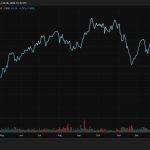
Bitcoin climbed back above $68,000 on Friday as the heavy selloff in global technology stocks showed early signs of cooling, offering brief relief to risk assets that had been under pressure across markets. The rebound followed a sharp slide earlier in the week that dragged the cryptocurrency below $60,000 for the first time in 15 months.
The world’s largest cryptocurrency was last trading up 14% at around $67,300, after falling as low as $60,008 earlier in the session. Despite the recovery, bitcoin remained on track for its worst weekly performance since late 2022, down nearly 14% over the week.
The move higher came as investors reassessed the pace of selling in equities and other speculative assets. Crypto prices had been hit hard alongside technology stocks, with leveraged positions unwound rapidly as volatility rose across markets.
Investor Takeaway
What Drove the Sharp Selloff Earlier This Week?
Bitcoin’s drop below $60,000 on Thursday triggered widespread liquidations across crypto derivatives markets. Data from CoinGlass showed total liquidations nearing $2.6 billion over 24 hours, with long positions accounting for roughly $2.15 billion. Bitcoin alone saw about $1.1 billion in long liquidations.
The decline extended a broader pullback from bitcoin’s all-time high of $126,000 reached in October 2025, cutting prices by roughly half. Ether followed a similar path, rising about 4% on Friday to $1,921 after earlier sliding to a 10-month low near $1,752. Ether was still headed for a weekly drop of nearly 16% and a year-to-date decline of about 35%.
Market participants pointed to the speed of the move as evidence of crowded trades being unwound. “A lot of these big crowded positions are being unwound very, very quickly,” said Chris Weston, head of research at brokerage Pepperstone in Melbourne.
How Are Broader Markets Influencing Crypto?
Bitcoin’s price has tracked movements in the technology sector for much of the past year, often rising alongside enthusiasm around artificial intelligence and other growth themes. As that trade reversed, crypto followed.
Sentiment has also been affected by volatility in other assets traditionally seen as defensive. Gold and silver prices have swung more sharply in recent sessions, reflecting leveraged positioning and speculative flows rather than steady demand.
“Bitcoin drifting back toward $60,000 is not crypto dying,” said Joshua Chu, co-chair of the Hong Kong Web3 Association. “It is the bill coming due for Treasuries and funds that treated bitcoin as a one-way asset without real risk controls.”
The broader crypto market has lost about $2 trillion in value since reaching a peak of roughly $4.38 trillion in early October, according to CoinGecko data. More than $1 trillion of that decline has occurred over the past month.
Investor Takeaway
Are Institutional Buyers Stepping In?
Despite the volatility, some institutional activity pointed to renewed buying interest at lower levels. Binance said its Secure Asset Fund for Users purchased another 3,600 bitcoin worth about $250 million near $65,000 per coin, part of a plan to convert $1 billion of reserves into bitcoin over a 30-day period.
The first batch of those purchases was completed earlier in the week, with additional conversions expected. Data from Bitwise also suggested that crypto hedge funds increased exposure as prices weakened. Aggregate market beta across global crypto hedge funds reached its highest level in two years, according to Bitwise research.
Meanwhile, analysts at Deutsche Bank noted that U.S. spot bitcoin exchange-traded funds recorded more than $3 billion in outflows in January, following outflows of about $2 billion in December and $7 billion in November. The figures highlight ongoing pressure from investors reducing exposure, even as trading volumes remained elevated.
Where Are Traders Watching for Support?
Attention has now turned to whether bitcoin can hold above key technical levels. Traders have focused on the $58,000 to $62,000 range as a critical area that could determine whether losses deepen.
“$BTC is testing the previous cycle highs, and bouncing slightly so far,” trader Jelle said in a post on X, adding that holding this zone would be important to avoid another sharp slide.
XTB research director Kathleen Brooks cautioned that broader market conditions remain fragile. “February is not panning out well for stock market bulls so far,” she said, questioning whether bitcoin’s rebound above $65,000 would extend into a broader recovery.