







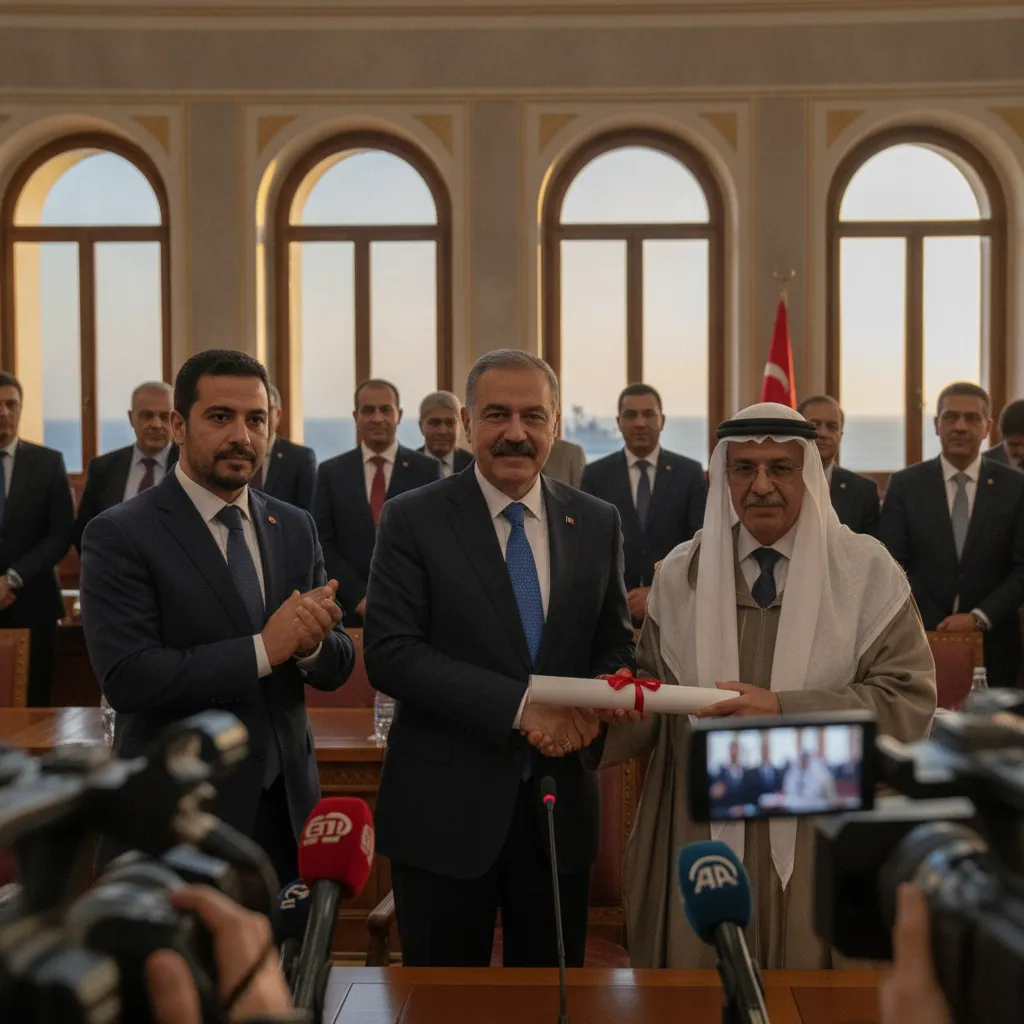

Turkey is orchestrating a significant diplomatic realignment in North Africa, transforming former enemies into partners to secure its standing in the Eastern Mediterranean. In a surprising turn of events, the eastern Libyan parliament in Tobruk recently reversed years of hostility by approving a 2019 maritime agreement between Turkey and Tripoli. This move effectively bridges a long standing divide between Libya’s warring factions and grants Ankara a critical strategic victory, making it increasingly difficult for regional rivals to design energy or security frameworks that exclude Turkish interests.
The shift comes after years of tension where Turkey actively worked to repel offensives against Tripoli led by Khalifa Haftar. Now, Ankara has transitioned from military intervention to high level diplomacy, with top intelligence and defense officials meeting frequently with the Haftar family in Benghazi. While some analysts suggest these overtures are purely pragmatic, others believe they represent a calculated effort by figures like Saddam Haftar to leverage Turkish influence to bolster their own future political ambitions within a unified Libya.
However, this newfound harmony creates a complex dilemma for Egypt. Cairo has historically backed the eastern Libyan leadership but remains staunchly opposed to the maritime boundaries defined in the Turkey Libya accord. Despite this friction and recent joint statements with Greece and Cyprus rejecting the deal, Egypt continues to repair its broader bilateral relationship with Turkey through joint naval exercises and high level military visits.
As Turkey offers Cairo potentially lucrative new maritime jurisdictions to entice them away from Greek agreements, the region enters a volatile period of renegotiation. While talks regarding the unification of Libya’s military structures continue in Istanbul, critics warn that such deals may simply be bargains between elites that ignore wider democratic needs. For now, Turkey appears to be successfully playing a sophisticated game of geopolitical chess, using its breakthroughs in Libya to force a rethink of power dynamics across the Mediterranean sea.