







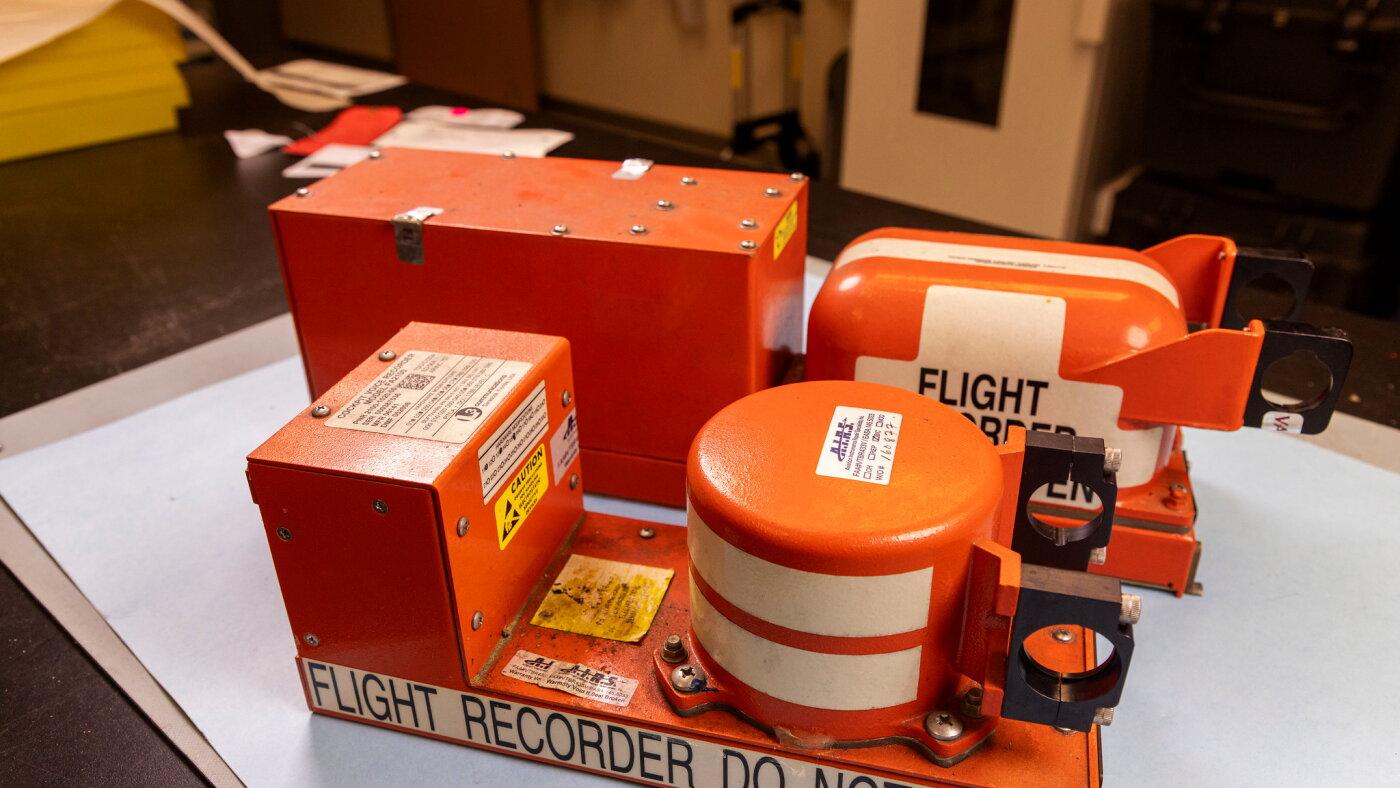

Chilling new details have emerged from the cockpit of the Amazon cargo plane that careened off a runway at Miami International Airport last Sunday, leaving five people dead. According to flight information released by the National Transportation Safety Board, one pilot spent nearly two minutes repeatedly warning his colleague that the aircraft was coming in too fast during its approach and after touchdown. Despite these urgent alerts, recording summaries indicate that the other pilot failed to provide any consistent verbal response, suggesting a catastrophic breakdown in communication and teamwork during the final moments of the flight.
The tragedy unfolded as the Boeing 767 touched down awkwardly far down the runway, barely leaving enough room to stop. In a desperate move, the pilots briefly pushed the throttles forward as if attempting to take off again, but they abandoned the effort just four seconds later. The plane then barreled roughly 1,300 feet past the end of the runway and plowed into a van carrying employees from a plane cleaning company before striking a compact SUV and bursting into flames. All five victims were inside the van; five others were injured, with some remaining in critical condition.
Aviation experts are now questioning why the crew didn’t abort the landing entirely. Former FAA official Mike O’Donnell noted that there was ample time for the pilots to extend spoilers or simply perform a go-around to try again. He pointed out that automated terrain and descent warnings further indicated an unstable approach. Other specialists suggested a possible power imbalance in the cockpit, wondering if a junior officer was calling out errors that a more senior captain chose to ignore, which would represent a failure to follow standard safety manuals.
Investigators are continuing to piece together every contributing factor, including whether strong storm winds created a tailwind that propelled the jet forward. The aircraft, originally built for passengers decades ago and converted to cargo in 2015, was operated by North Carolina-based 21 Air on behalf of Amazon. This disaster marks the second major U_S. cargo jet crash in less than a year, renewing scrutiny over freight aviation safety following a similar fatal accident involving a UPS plane in Louisville last October.