
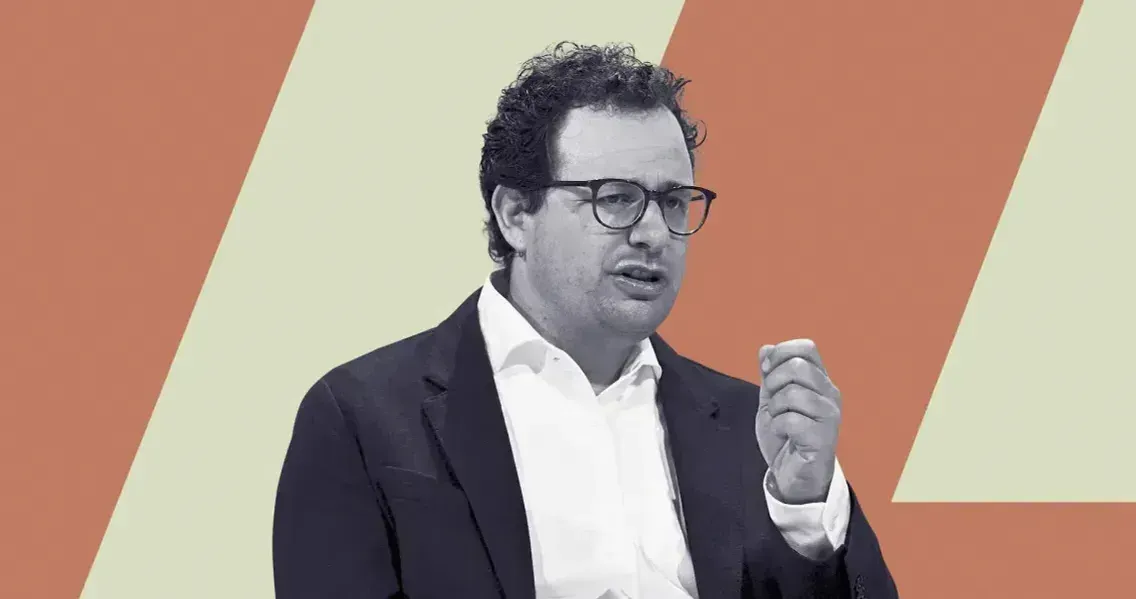







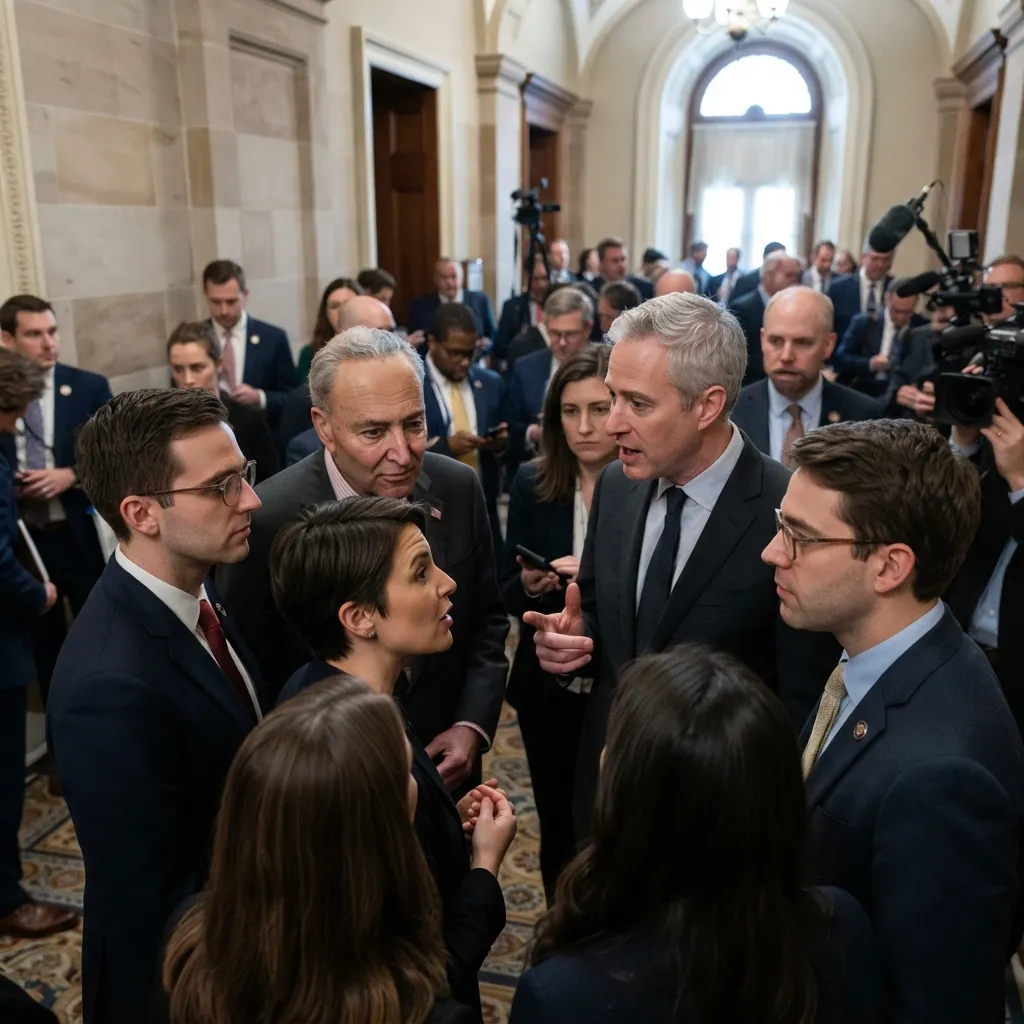

A high stakes power struggle is erupting within the Democratic caucus as the party prepares for its transition to the Senate majority. Senator Chris Van Hollen has officially challenged Senator Chuck Schumer for the position of majority leader, ending a decade of stability under Schumer’s tenure. While Schumer remains confident in his ability to retain the post, the outcome now rests largely with thirteen newly elected freshmen who find themselves thrust into the spotlight during their very first weeks in Washington.
The newcomers appear deeply divided over whether to stick with established leadership or pivot toward a new direction. Several members of the incoming class, including Abdul El Sayed and Peggy Flanagan, have already pledged their support to Van Hollen. Others, such as Adam Hamilton, argue that the party requires a leader capable of bridging factional divides and bringing fresh perspectives to the table. This push for renewal clashes directly with Schumer’s track record of successful recruitment and strategic victory, leading some loyalists to compare removing him now to firing a championship winning coach immediately after a title game.
While some freshmen remain undecided or noncommittal, others are using this leverage to signal their legislative priorities. For instance, Senator elect Scott Colom has voiced concerns about the concentration of leadership in New York City and is pushing for a greater focus on rural America and the Deep South. Meanwhile, veteran figures like Sherrod Brown continue to defend Schumer’s governing experience despite acknowledging that he remains a polarizing figure within his own ranks.
Beyond the immediate fight for control of the Senate, these election results are sending shockwaves through long term planning for 2028. Political analysts suggest that because Democrats found success across diverse demographics—from rural voters to urban progressives—the road to the next presidential nomination has become unpredictably wide open. With multiple viable paths to victory now evident, experts predict one of the most chaotic and crowded primary fields in recent history as ambitious politicians scramble to define what worked in this latest electoral cycle.