




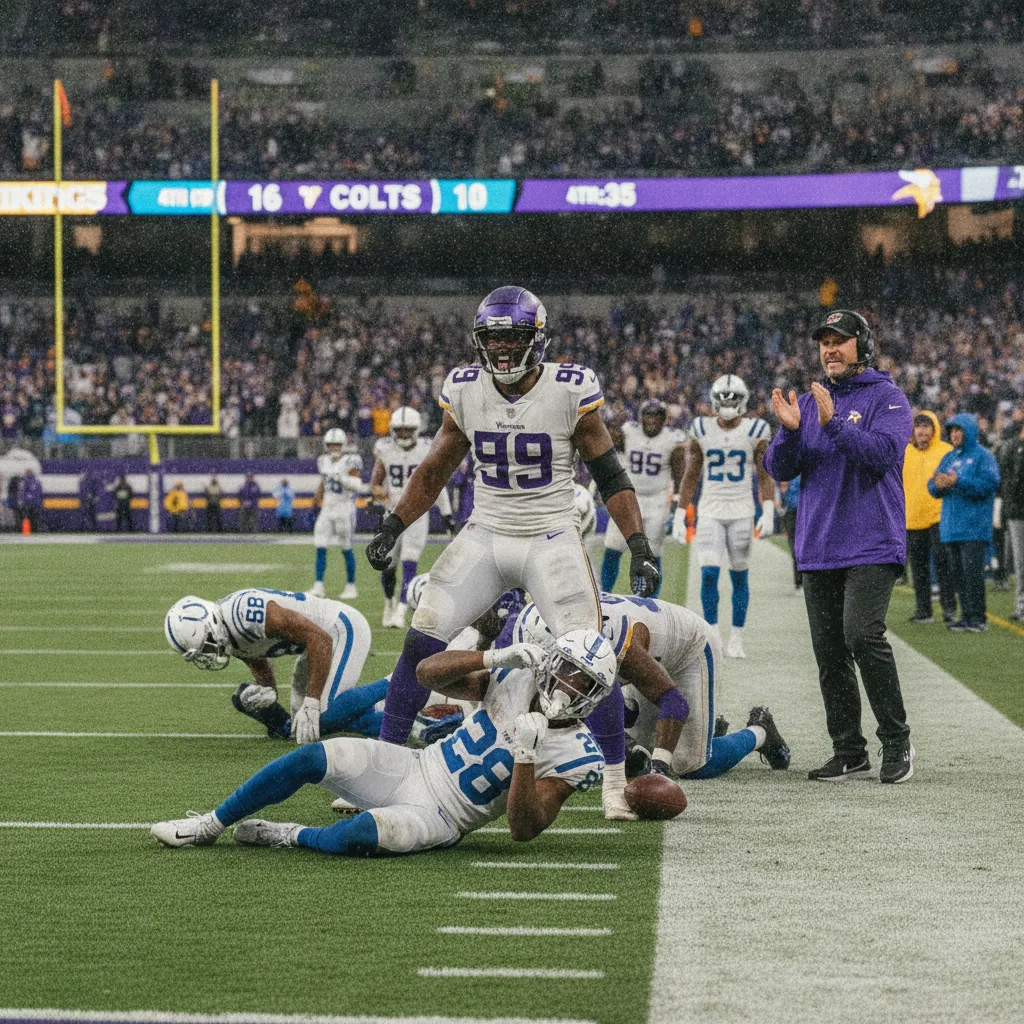

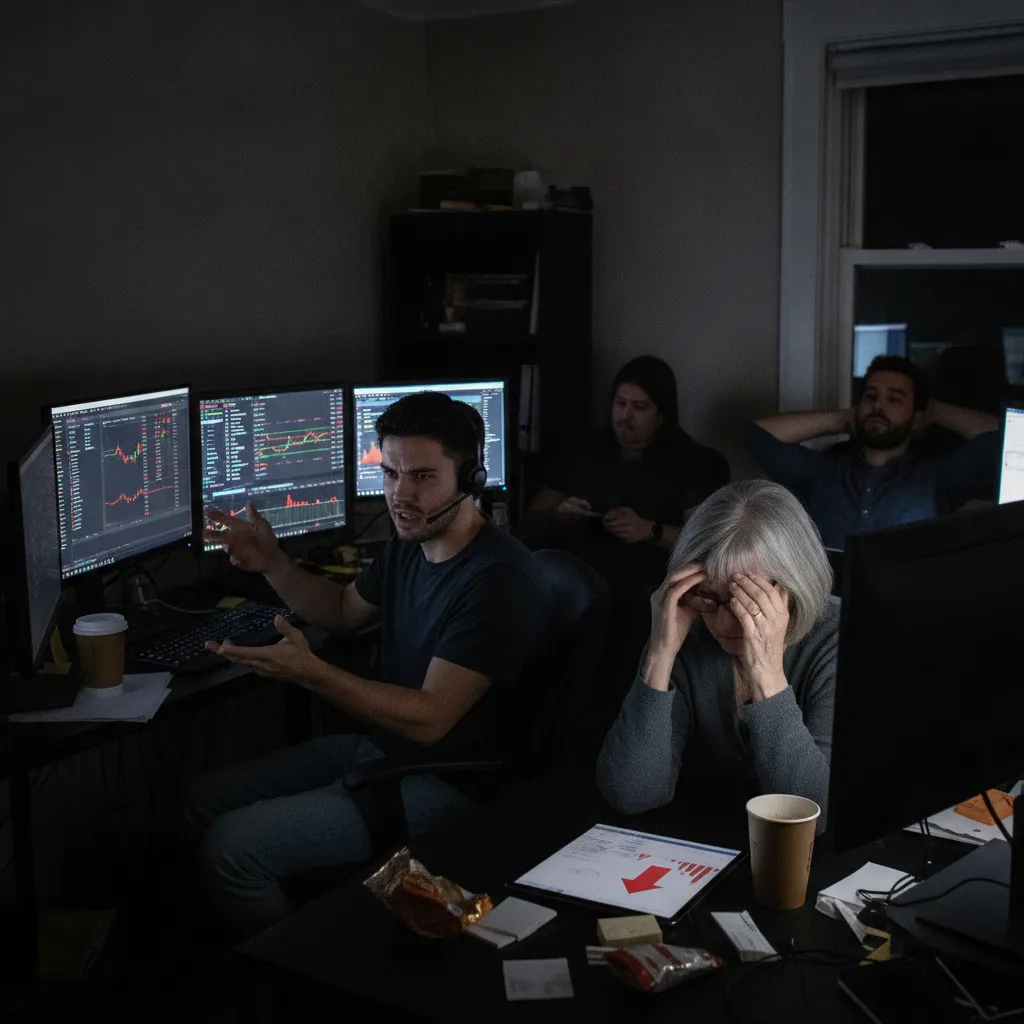


The relentless enthusiasm of retail investors is facing a stern reality check as the artificial intelligence boom hits a bumpy patch. For months, individual traders acted as the market’s primary daredevils, aggressively buying every dip in semiconductor stocks and tech ETFs. Recent data from JPMorgan shows that while this bravery persisted through early October, the persistence of the slump has finally begun to fray nerves. Many who initially rushed to scoop up falling shares of AI heavyweights and specialized firms like CoreWeave have now started trimming their positions as losses mounted.
This shift towardcaution is evident in how people are trading. Rather than small, opportunistic bets, retail investors are now placing larger sell orders, suggesting a broader move toward risk aversion. The mood has soured significantly, with sentiment indicators hitting some of their lowest levels of the year. This hesitation comes at a time when the wider market is already struggling under the weight of geopolitical instability in the Middle East, which has pushed oil prices to a five-month high and added fresh inflationary pressure to an already fragile economy.
Despite the current gloom, some Wall Street veterans believe this volatility might actually be a signal for opportunity. Michael Wilson, chief equity strategist at Morgan Stanley, suggests that the AI pullback could be nearing its conclusion. He argues that the market is transitioning into a phase where quality matters more than hype. Instead of chasing speculative momentum, investors are beginning to favor companies with durable earnings and low debt—firms like Apple and Visa that possess what analysts call a wide economic moat.
For those watching from the sidelines, the message from strategists is one of calculated optimism. While energy shocks remain a significant threat to overall stability, the devaluation of many US stocks indicates they may now be trading below their fair value. According to Wilson, any sudden drops in these high-quality assets should be viewed as buying opportunities rather than warnings of a coming crash. As November approaches, the consensus among bulls is that we are moving past the peak of speculation and entering a period where fundamental strength will once again drive returns.