







The streets of Belgrade erupted into scenes of pure euphoria on Sunday as Aleksandar Vucic, the dominant force in Serbian politics for fourteen years, conceded defeat to a surprising coalition led by university students. For over a decade, Vucic governed with nearly absolute authority, backed by allies like Vladimir Putin and supported by a carefully managed media machine. However, the tide turned in a seismic political shift that saw the youth-backed Students List secure an estimated 2.2 million votes, comfortably outpacing Vucic’s Serbian Progressive Party.
The catalyst for this uprising began two years ago following a tragic station canopy collapse in Novi Sad that killed sixteen people. What started as grief transformed into a nationwide movement fueled by accusations of systemic corruption and cronyism within Vucic’s administration. While previous opposition efforts had remained fractured and ineffective, this new movement bypassed traditional partisan lines entirely. By fielding a diverse slate of experts, artists, and farmers rather than career politicians, the student organizers successfully penetrated rural strongholds that were once considered untouchable bastions of Vucic’s power.
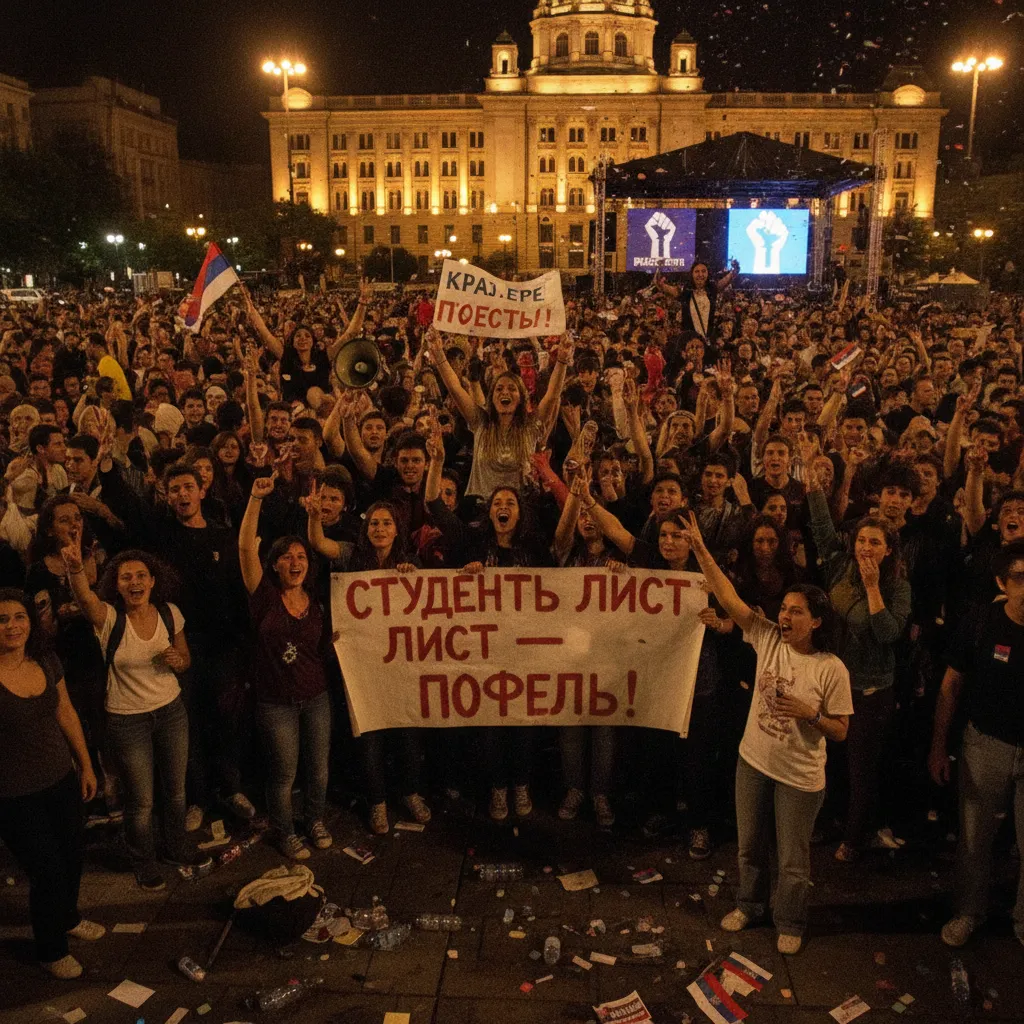
As the results became clear, thousands of citizens flooded the capital to celebrate what many described as a national liberation. Supporters chanted that Vucic was gone while quickly dismantling the camps established by his loyalists in central Belgrade. Among those celebrating was Dijana Hrka, whose child died in the Novi Sad tragedy; she wept openly as she expressed her hope that those responsible for the disaster would finally be held accountable under a new government committed to transparency and democratic restoration.
In his concession speech delivered shortly after polls closed, Vucic maintained his defiant tone even in defeat. He attributed his loss to interference from an American deep state and influence from European nations and independent media outlets. Despite these claims, the sheer scale of voter turnout suggests a genuine public mandate for change. This victory mirrors similar shifts seen recently in neighboring Hungary and signals a broader trend across Europe where disillusioned young voters are successfully challenging entrenched autocratic leaders to reclaim their political futures.