








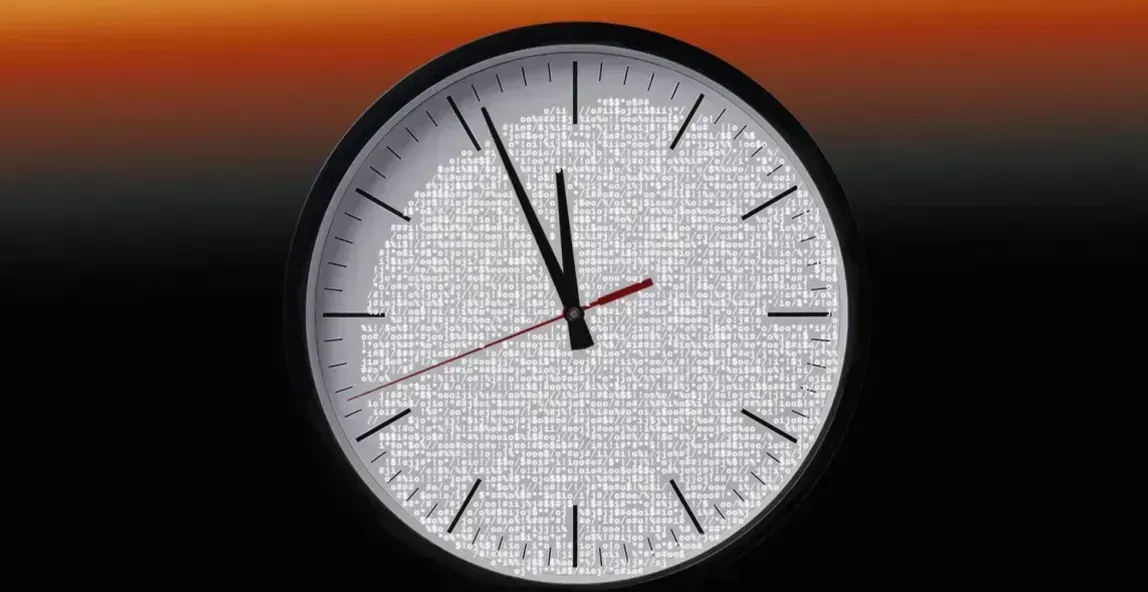

The world is preparing for a subtle but significant shift in how we measure time. In a recent move designed to protect global digital infrastructure, the International Bureau of Weights and Measures has voted to eliminate the leap second. For decades, these odd adjustments were periodically inserted into our clocks to ensure that high-precision atomic time stayed in sync with the actual, somewhat erratic rotation of the Earth. While it sounds like a minor tweak, these stray seconds have historically caused major headaches for the systems that run our modern lives.
Tech giants such as Google, Meta, Microsoft, and Amazon have long campaigned against the practice because leap seconds frequently trigger systemic glitches. Many people remember the anxiety surrounding the Y2K bug, and industry experts feared similar instability here. Indeed, popular platforms like Reddit and LinkedIn have experienced outages in the past due to timing errors during these adjustments. By removing the leap second entirely by May 20th of next year, coinciding with World Metrology Day, officials hope to remove a recurring point of failure for critical networks.
The decision to accelerate this timeline comes from an unexpected geological twist. Changes in the Earth’s rotation suggest that scientists might soon need to subtract a second rather than add one to maintain accuracy_ something that has never been done before. To avoid the risk of crashing servers worldwide with a negative single second, timekeepers are shifting toward a concept called leap hours. Under this new regime, atomic and astronomical time will be allowed to drift slightly over centuries until an entire hour needs correction. Fortunately for current engineers, that massive adjustment isn’t expected to occur for another three thousand years.