







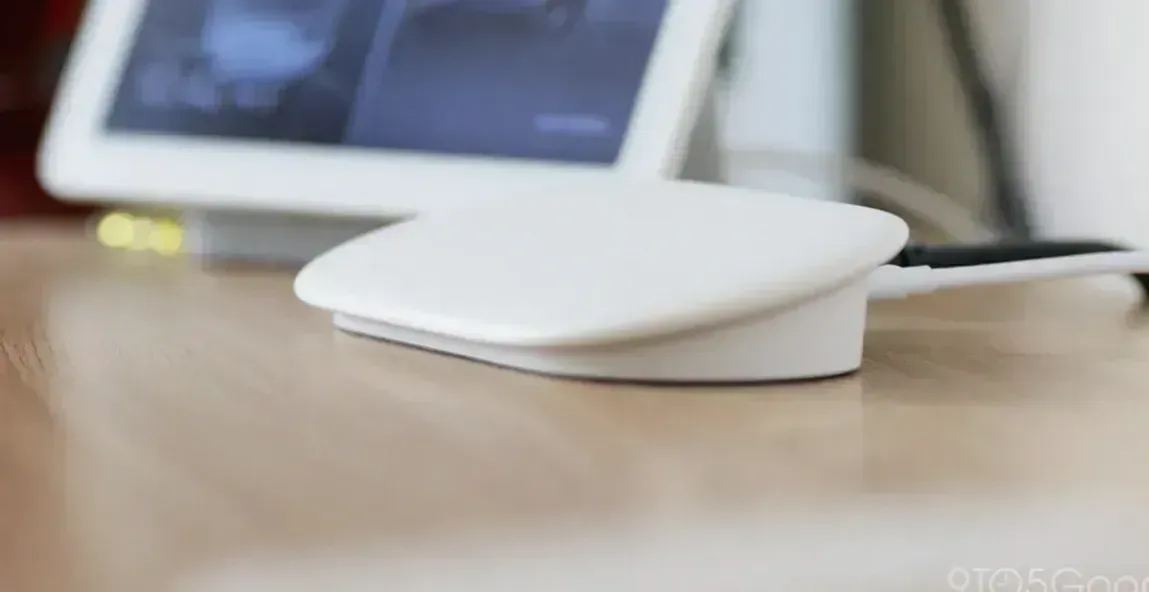

Google is preparing to launch a next generation Google TV Streamer, bringing updated features like presence sensing and far field microphones to the living room. While the hardware improvements sound promising on paper, the announcement highlights a growing concern regarding the company’s broader strategy for the smart home. For several years, Google’s approach to home automation has felt erratic, characterized by brief bursts of innovation followed by long periods of silence that leave users wondering where the roadmap actually leads.
The timing of this new streamer is particularly questionable given how many other parts of the Nest ecosystem are gathering dust. Many loyal users are still waiting for essential refreshes to battery powered cameras and a long overdue update for the Nest Hub Max. By prioritizing another streaming box over critical infrastructure updates, Google appears to be focusing on peripheral gadgets rather than strengthening the core pillars of its connected home experience.
This lack of focus comes at a precarious moment as competitors begin to close the gap. Apple is reportedly making aggressive moves into the space with new smart displays and deep partnerships with manufacturers like LG to ensure seamless integration. While Google has successfully expanded its compatibility with third party brands, it hasn’t quite managed to create that same level of tight, cohesive synergy between its own first party hardware and the wider market.
Ultimately, a shiny new remote and better microphones aren’t enough to mask a fragmented vision. As rivals pivot toward highly integrated ecosystems and Amazon breaks old barriers by bringing the Play Store to its tablets, Google risks losing its early lead in the smart display arena. To truly win back confidence, the tech giant may need to stop chasing minor iterations and instead commit to a comprehensive overhaul of its aging hardware lineup.