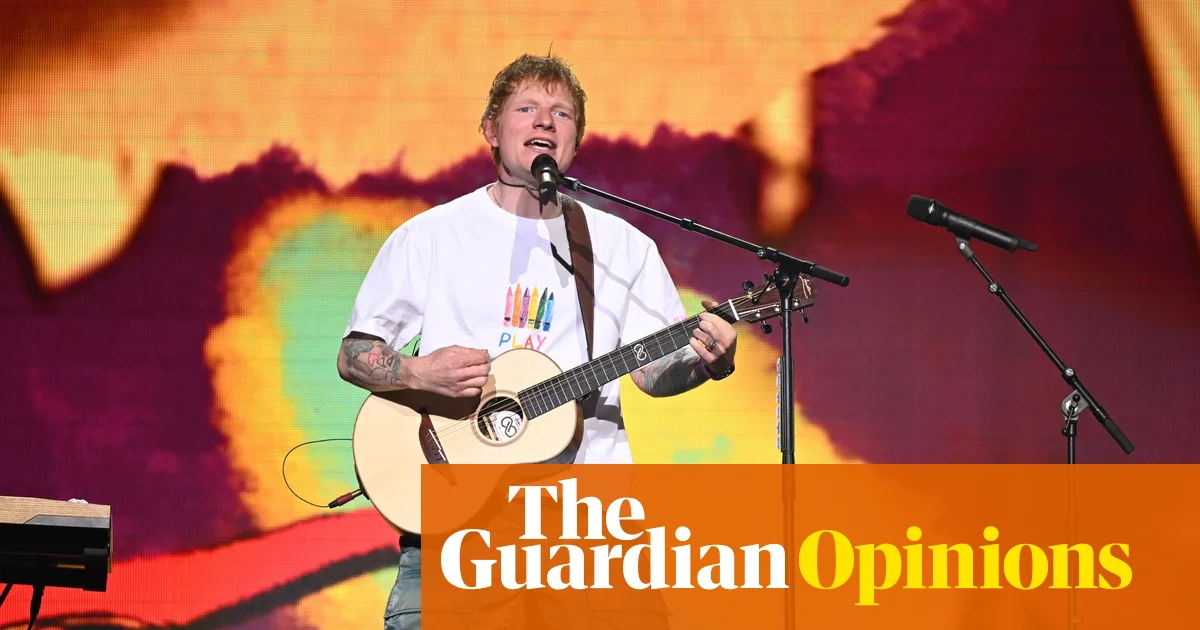

Whenever a celebrity decides to weigh in on a controversial political issue, the same predictable cycle of outrage begins. Critics suddenly rediscover the idea that art should be kept strictly separate from politics, urging musicians and actors to stick to their scripts or their instruments. We see this play out in real time with events like the friction surrounding Ed Sheeran’s tour, where support acts withdrew in solidarity with Macklemore after his removal for speaking out about Palestine. While some view these disruptions as proof that politics poisons entertainment, they are actually symptoms of a deeper truth: separating the two has always been an artificial goal.
History shows us that the marriage of fame and activism is nothing new. From Nina Simone and Marlon Brando to more contemporary figures like George Clooney or Gary Lineker, public figures have long used their platforms to lobby for change during crises in Vietnam, South Africa, or Darfur. To suggest that an entertainer is unqualified to hold an opinion simply because of their profession is not only disingenuous but ignores the very nature of art. Musicians and filmmakers aren’t just providing escapism; they tap into collective human emotions. When those feelings collide with global suffering, it is only natural that they bleed into the public sphere.
The intensity of current backlash often depends on whether the artist’s stance aligns with those in power. For instance, humanitarian efforts regarding Ukraine are frequently praised, while voices challenging established economic or political interests face swift censorship or professional consequences. This tension reveals that the real problem isn’t the outspoken artist, but rather a systemic failure in our political leadership. When traditional democratic channels fail to respond to immense human suffering or ignore urgent moral cries, that energy inevitably spills over into every other part of our lives, including our concerts and cinema screens.
Ultimately, demanding that politics stay out of culture is a request for a kind of numbness. It asks us to live in a curated vacuum where we can consume entertainment without acknowledging the reality of others’ pain. As long as official political systems fail to deliver justice or effective solutions, we will continue to see artists stepping into the gap. Rather than complaining about celebrities playing politician, perhaps it is time to acknowledge that this phenomenon exists precisely because we desperately need politics that actually works.