








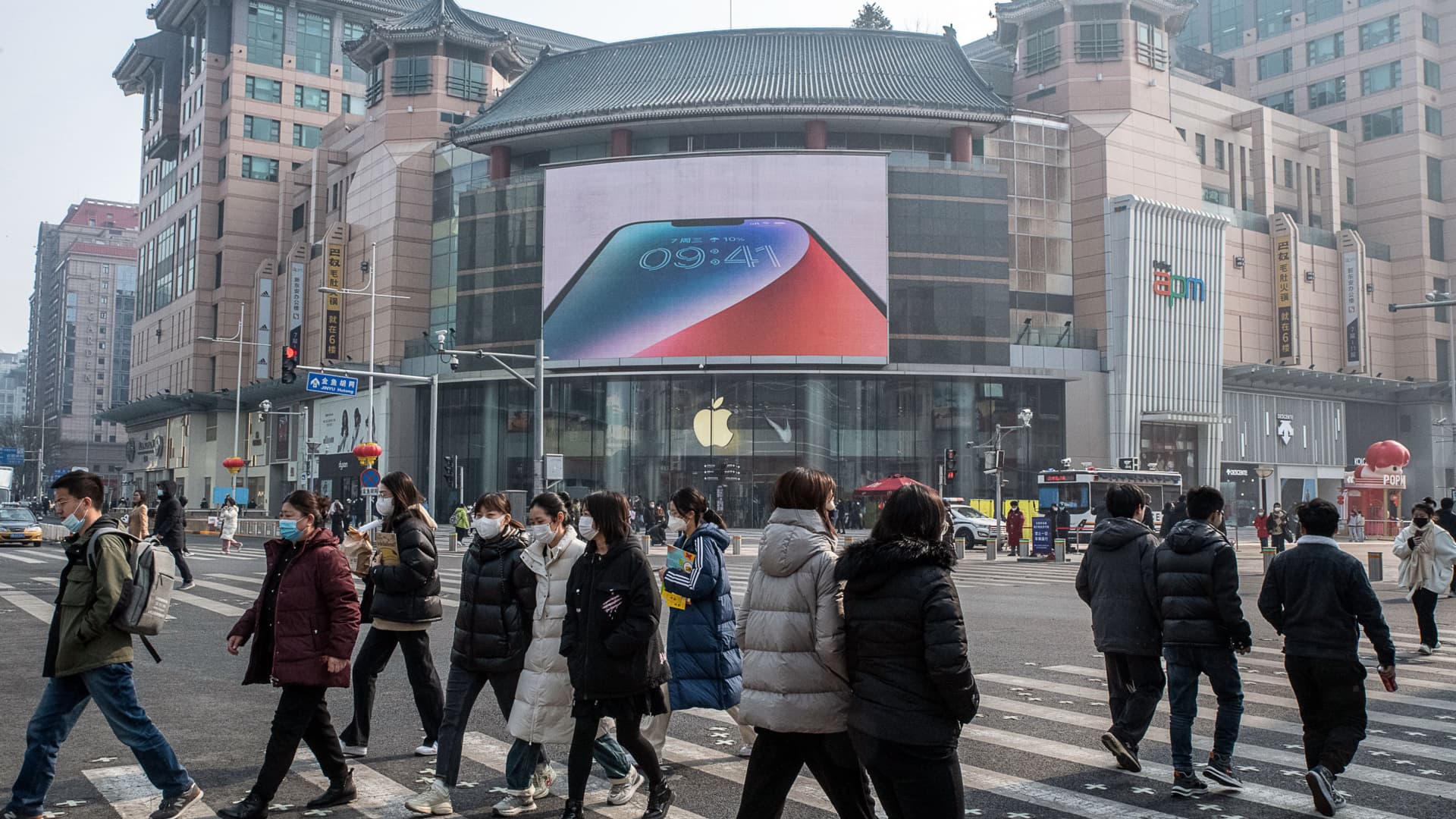

Beijing is facing mounting pressure to revitalize its economy as fresh data reveals a deepening slump in investment and disappointing consumer spending. Retail sales grew by a mere 0.4 percent in August, falling short of economist projections and continuing a trend of lackluster domestic demand. This stagnation comes at a critical time for the world’s second largest economy, where the gap between strong industrial production and weak internal consumption has created what officials describe as an acute imbalance.
While industrial output actually beat expectations with a 5.2 percent increase, this surge in manufacturing highlights a worrying disconnect. China is producing goods at a steady clip, yet its own citizens aren’t buying them, and the investment landscape continues to wither. Urban fixed asset investment shrank by 7.2 percent over the first eight months of the year, suggesting that neither property nor infrastructure projects are providing the necessary spark to ignite broader growth. Even the job market shows signs of strain, with urban unemployment ticking up slightly to 5.3 percent.
Market analysts warn that these trends put Beijing’s annual growth target of 4.5 to 5 percent at significant risk. Despite increasing government bond issuance and offering interest subsidies for small businesses, efforts to stimulate new borrowing have largely failed to gain traction. Bank loan expansion in August missed forecasts by a wide margin, indicating that households and corporations remain hesitant to take on new debt amidst ongoing economic uncertainty.
For now, policymakers appear reluctant to launch an aggressive stimulus package, leaning instead on high tech exports and the global AI boom to carry the weight of the economy. However, experts suggest that September represents a vital window for action if the government hopes to restore business confidence before the major October holidays. Without more decisive fiscal intervention, there are growing fears that China will struggle to bridge the divide between its productive capacity and its stalling domestic appetite.