






It didn’t take long for oil traders to get their answer.
A ceasefire between the U.S. and Iran led to a significant relief bounce in the market on April 8. The expectation is rather clear. A truce between the U.S. and Iran will immediately calm the area and reopen one of the world’s most significant energy chokepoints.
That hope was already fading by April 9. Crude prices went up again, as Reuters reported, when investors recognized that the headline about the truce wasn’t the true story. Instead, it was whether ships could really get through the Strait of Hormuz.
That change is important in more than just the oil market. When Hormuz slows down, traders quickly factor in the risk of supply.
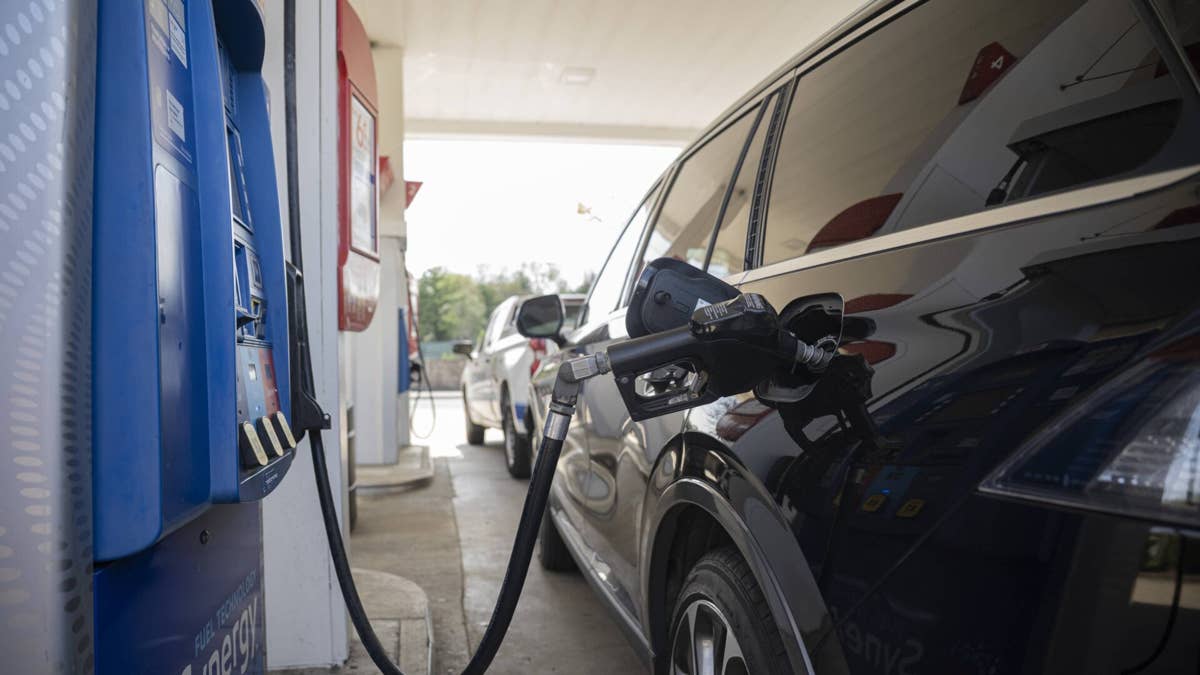
Next, drivers sense it. AAA noted that on April 9, the average price for a gallon of normal gasoline in the U.S. was $4.16. The live tracker showed the price on April 10 was $4.153.
This change is what is causing oil prices to go up again. The market is no longer betting on peace. Instead, the focus is on trading when usual flows aren’t happening.
“In the oil market, the immediate next steps hinge on when Strait of Hormuz traffic returns to normal,” UBS analysts said.
Looking ahead, U.S. officials are in Pakistan talking to Iranian officials about how to end the conflict, according to NBC News. People who watch the market will be genuinely interested in these events to see what happens next.
Oil traders stop trusting the ceasefire headline
The rebound in crude does not come as a surprise when you look at developments past the diplomacy stage.
U.S. oil moved back near $99 a barrel on April 9, according to NBC News, as Israelis continued to pound Lebanon. Such action will give traders cause for pause.
British Prime Minister Keir Starmer and President Donald Trump are combining their efforts to open up the Strait of Hormuz chokepoint. It’s a sign that even the governments of the allies see freedom of navigation, not words, as the real test of whether this truce means anything.
More Oil and Gas:
- The world’s biggest gas field matters just as much as oil right now
- Goldman Sachs reveals top oil stocks to buy for 2026
- U.S. economy will show resilience, despite rising oil prices
And right now, the logistics are not looking very bright.
Only a handful of ships have been transiting the Strait, significantly below normal levels. Iran has been directing ships through its territorial waters near Larak Island. Shipowners are dealing with military warnings, mine concerns, and the possibility of extra fees or restrictions. That is more than enough uncertainty to keep oil prices high around the world.
The physical market is once again exhibiting alarming signs. Physical crude prices in Europe and Africa have surged, even after futures briefly fell on ceasefire hopes. It means concerns are rampant regarding actual supply, not just paper barrels.
That is usually where the cleaner signal is. Futures can celebrate a headline. Physical buyers will want to talk first about secure supply.
The rebound, therefore, is not a one-day thing. Barclays said that delays in restoring Hormuz flows could make its Brent forecast more likely to be wrong because inventories are already tighter than expected.
In other words, the market doesn’t need a big new shock to keep prices high. It just needs the current chaos to last longer.
Gas prices are still climbing, and that is the bigger warning
Consumers have not seen much benefit from this momentary optimism.
AAA’s April 9 update said the national average gas price rose 8 cents from a week earlier to $4.16. That is the highest level since August 2022. On April 10, its live tracker showed that prices were still over $4.15 a gallon. That tells readers something important: retail fuel prices don’t always drop right away when oil prices drop a lot for a day.
Stations still have to work through higher-cost inventory. Wholesalers need to make some value judgments regarding whether crude weakness is a momentary phenomenon or a more permanent, stark reality.
In this case, the rise in oil prices makes the answer pretty clear. Traders don’t think the disruption is over yet.
There is also a bigger picture here. Higher prices for oil and gas keep inflation going at the same time that investors hope geopolitics will stop becoming a market driver. The rise in oil prices, which is linked to doubts about the ceasefire, has already made the market more cautious.
This shows how quickly energy stress can affect currencies, bonds, and risk appetite.
Key takeaways
- U.S. crude is back to $99 a barrel on April 9 as ceasefire optimism cooled.
- Shipping through the Strait of Hormuz remains constrained.
- AAA said the national average gas price hit $4.16 on April 9, New Jersey’s WRNJ noted. AAA’s April 10 tracker showed $4.153.
- Barclays warns that if Hormuz flows do not return to normal, oil prices will remain higher than expected.
- Gas prices are still high, pressuring consumers and making it harder to predict inflation.