







What Is CME Launching in February?
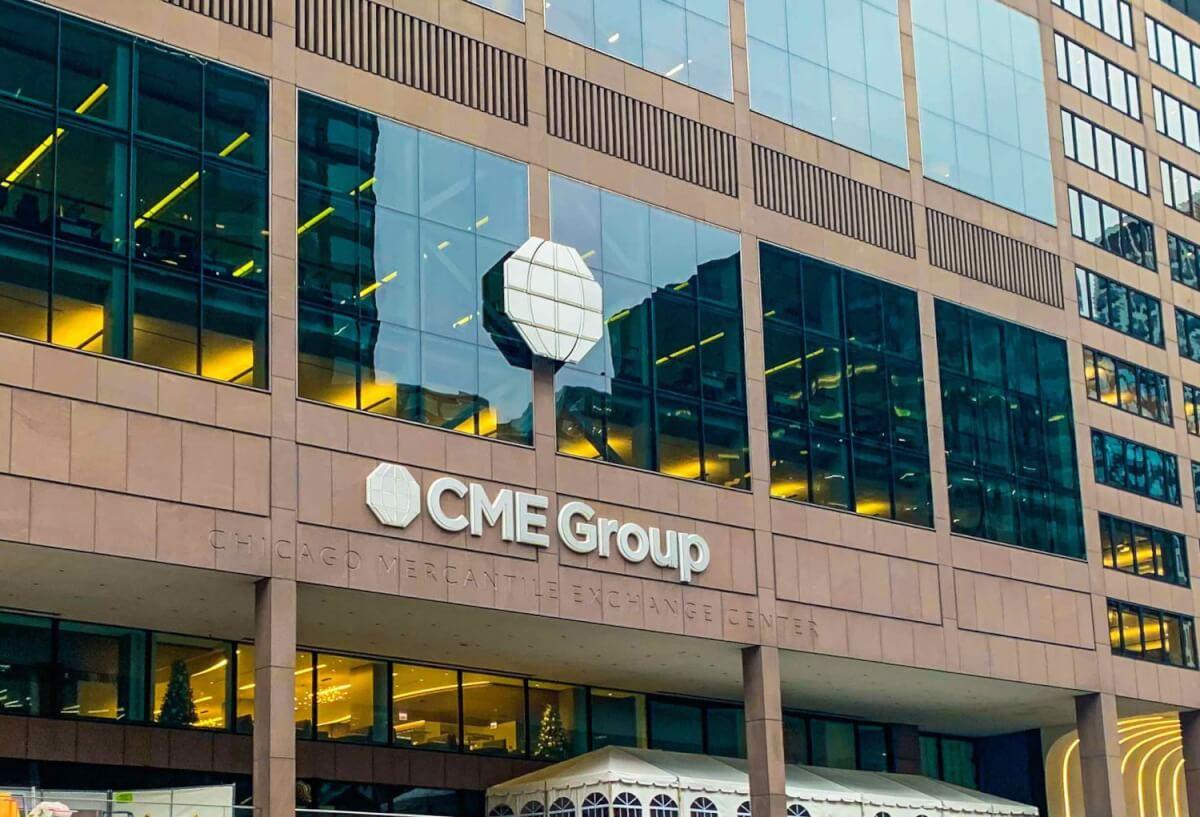
CME Group plans to expand its regulated crypto derivatives lineup with futures contracts tied to Cardano, Chainlink and Stellar, with trading expected to begin on Feb. 9, pending regulatory approval. The contracts will be listed in both standard and micro sizes, giving traders flexibility to take larger positions or access lower-cost exposure.
The new products add to CME’s existing crypto suite, which already includes futures and options linked to bitcoin, ether, XRP and Solana. For CME, the move extends its reach beyond the two dominant crypto benchmarks into a broader set of layer-1 and infrastructure tokens that have largely remained outside US-regulated futures markets.
Contract sizes are designed to accommodate different trading profiles. CME said positions will range from 10,000 to 100,000 ADA, 250 to 5,000 LINK, and 12,500 to 250,000 XLM. Futures allow traders to hedge or gain price exposure without holding the underlying tokens, and the inclusion of micro contracts points to an effort to widen access beyond large institutions, subject to broker support.
Investor Takeaway
Why Is CME Adding Altcoins Now?
The expansion comes after a year of sharp swings in crypto derivatives activity. CME reported record volumes and open interest across its crypto futures and options earlier in 2025 as demand for regulated exposure accelerated. That pace slowed into year-end. Bitcoin futures volumes and open interest fell sharply in December, marking the weakest month of the year, while ether and Solana contracts posted consecutive monthly declines from October through December following a broad market liquidation in early October.
Despite the slowdown, CME has said it continues to see structural demand for regulated crypto products. Giovanni Vicioso, CME Group’s global head of cryptocurrency products, said clients are seeking “trusted, regulated products to manage price risk,” adding that the new contracts are intended to broaden access as crypto markets mature.
From CME’s perspective, adding altcoins during a softer volume period reflects a longer-term strategy rather than a short-term volume play. The exchange has repeatedly framed crypto derivatives as a core growth area within its broader product mix, even as activity fluctuates with market cycles.
How Does This Fit CME’s Push Toward Continuous Trading?
CME has positioned digital assets as a proving ground for wider changes in market structure, including a move toward continuous, “always-on” trading. The exchange said last year that it plans to transition its crypto futures and options to a near-24/7 model in 2026, reflecting the global nature of crypto markets that do not close on weekends or holidays.
Executives have described crypto as the most natural place to start such a shift, given that underlying spot markets already trade around the clock. While continuous trading has not yet gone live, the steady expansion of CME’s crypto lineup strengthens the case for using digital assets to test changes that could later spread to other asset classes.
Beyond product listings, CME recently moved to unify crypto benchmarks with Nasdaq, rebranding the Nasdaq Crypto Index as the Nasdaq-CME Crypto Index. The index tracks BTC, ETH, XRP, SOL, LINK, ADA and Avalanche, aligning CME’s futures roadmap with a broader benchmark used by asset managers and market participants.
Investor Takeaway
Where Do Altcoin Futures Stand in the US Market?
US-regulated crypto futures remain heavily concentrated around bitcoin and ether, with only limited expansion into other tokens. CME’s move to list ADA, LINK and XLM adds to a small but growing set of altcoin contracts available under Commodity Futures Trading Commission oversight.
Coinbase offers CFTC-regulated futures tied to bitcoin and ether through its Coinbase Derivatives Exchange, which initially served institutional clients before opening smaller contracts to retail traders in 2025. Kraken launched a US derivatives platform in July 2025 that provides access to CME-listed futures, though its domestic users remain limited to CME products rather than the broader altcoin perpetuals available offshore.
Bitnomial has taken a more direct route. The exchange launched regulated XRP futures earlier this year and this week introduced monthly futures tied to Aptos, initially available to institutional clients with retail access expected later.
Against that backdrop, CME’s decision to add three more altcoins stands out for both scale and visibility. While volumes remain modest compared with BTC and ETH, the listings suggest US-regulated markets are slowly widening the set of crypto assets available for hedging and price discovery.