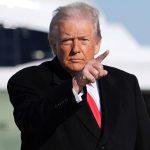





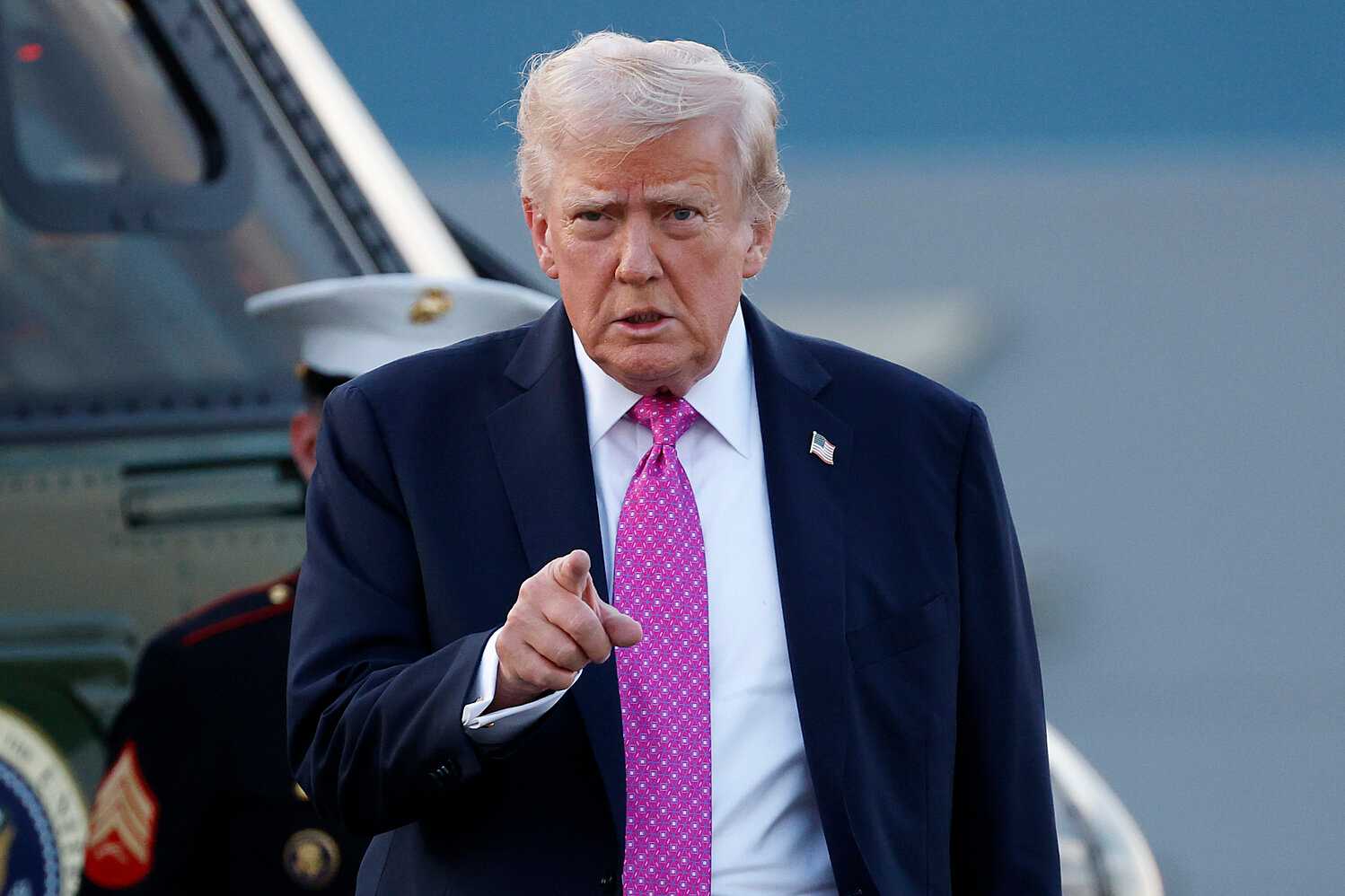

In a dramatic escalation of the conflict between the White House and the Federal Reserve, President Donald Trump announced on January 14, 2026, that he intends to name a successor to Chair Jerome Powell within the “next few weeks.” Speaking during a factory tour in Michigan, the President asserted that the ongoing Department of Justice probe into the $2.5 billion renovation of the Fed’s headquarters has effectively compromised Powell’s leadership. Criticizing the significant cost overruns of the project, Trump suggested that the Chair was either incompetent or “crooked,” reinforcing his view that a change in leadership is necessary well before Powell’s term as Chair officially expires in May 2026. This announcement has intensified the debate over the independence of the central bank, as critics argue the move is a tactical power gambit designed to force a more “dovish” interest rate policy.
The Race for the Chair and the Leading Candidates for Nomination
With the clock ticking toward a potential May transition, three frontrunners have emerged as the leading candidates to head the nation’s central bank. Kevin Warsh, a former Fed governor with strong ties to the financial world, currently leads the betting markets with a 41% probability on Polymarket, largely seen as the “independent” option due to his hawkish views on the Fed’s balance sheet. He is closely followed by Kevin Hassett, the current director of the National Economic Council, who holds a 38% probability and is considered a staunch Trump loyalist in lockstep with the administration’s supply-side economic goals. Treasury Secretary Scott Bessent also remains on the shortlist, though his potential move from the Treasury to the Fed would likely spark a complex confirmation battle in the Senate. The administration is reportedly looking for a candidate who will not only align with their views on tariffs and deregulation but also be willing to implement more aggressive interest rate cuts to stimulate domestic growth.
Congressional Stalemate and the Battle for Confirmation
Despite the President’s confidence, the path to confirming a new Fed Chair is fraught with legislative obstacles in a narrowly divided Senate. Retiring North Carolina Republican Senator Thom Tillis, a key swing vote on the Senate Banking Committee, has vowed to block any Trump nominee until the DOJ’s criminal investigation into Powell is fully resolved. This internal Republican friction has drawn sharp criticism from the President, who dismissed Tillis’ concerns during his Michigan tour. The political standoff is further complicated by the fact that Powell’s term as a Fed Governor continues until 2028, meaning he could potentially stay on the board and continue to influence the Federal Open Market Committee even if he is no longer the Chair. As the administration prepares its official nomination, the financial world is bracing for a prolonged fight that could leave the Fed without a confirmed leader at a time of significant macroeconomic transition, potentially testing the resilience of American financial institutions like never before.