





Another American restaurant chain has shuttered its final location, reinforcing the growing reality across the industry that even well-established brands with loyal followings are no longer enough to withstand sustained economic pressure.
While the restaurant sector remains a major contributor to the U.S. economy, operators are navigating a far more complex environment shaped by rising costs, tight margins, and more cautious consumer spending.
Eating and drinking establishments were projected to contribute $1.54 trillion to the U.S. economy in 2025, accounting for more than 5% of nominal GDP, according to the National Restaurant Association.
Despite this scale, closures continue to accelerate across both independent restaurants and multi-unit chains.
The Meatball Shop closes its final location
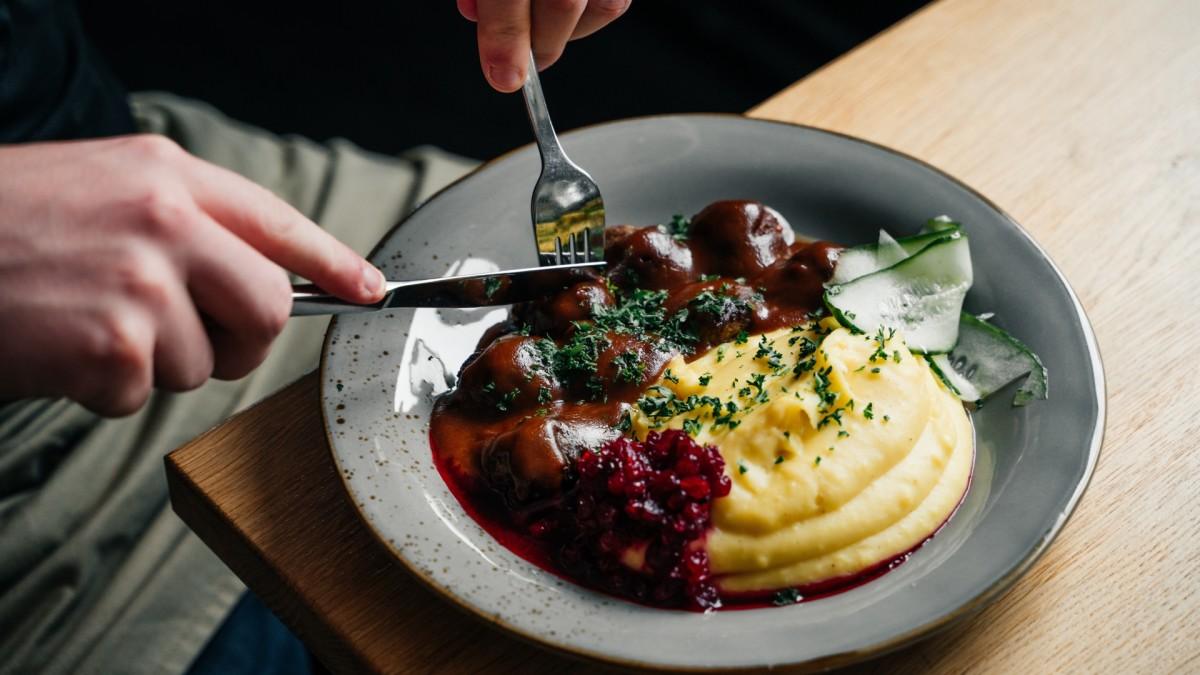
The Meatball Shop has confirmed it has permanently closed its last remaining location at 798 9th Ave in New York City’s Hell’s Kitchen, marking the end of a 14-year run.
“After many great years, The Meatball Shop has closed its doors,” said The Meatball Shop in the statement published on its official website. “We’re deeply grateful to our guests and team for the memories we shared.”
Founded in 2010, the brand built a strong following with its customizable meatball bowls and cocktails. At its peak, it operated seven locations across Manhattan, Brooklyn, and Washington, D.C.
However, like many urban restaurant groups, the company faced mounting challenges during and after the Covid pandemic. Lease pressures, rising labor costs, and shifting consumer traffic patterns led to a gradual reduction in locations, leaving only its Hell’s Kitchen restaurant by 2023.
Its closure highlights the broader industry trend where concepts that expanded during lower-cost, high-demand periods are now being forced to adapt or exit entirely as fixed costs rise and margins tighten.
Although its restaurants are now closed, The Meatball Shop continues to maintain a presence through its 2011 cookbook, which remains available at major grocery stores nationwide, including Whole Foods Markets.
Notably, the founders hinted at a possible revival in late 2025, engaging followers on Instagram about a potential reboot of the concept.
A restaurant industry under pressure
The closures reflect deeper structural challenges affecting the U.S. restaurant industry, where long-term sustainability has become increasingly difficult to maintain.
According to the U.S. Bureau of Labor Statistics, about 17% of new restaurants close within their first year. Long-term restaurants have an even higher chance of shutting down, with around half closing within five years and only 34.6% surviving beyond a decade, according to Oysterlink.
Coverage on more recent restaurant closures:
- Fast-food burger pioneer chain closes its final location
- 74-year-old BBQ chain closes key restaurant
- These reality TV restaurants are suddenly up for sale after slump
- 76-year-old restaurant chain closing another longtime location
Industry experts point to shifting consumer behavior as a key factor. James O’Reilly, a food industry executive with more than 15 years of experience in restaurant marketing, notes that pricing tolerance has diminished significantly.
“In strong economic environments, price increases have historically been tolerated by restaurant guests,” O’Reilly told FSR Magazine. “Over the past few years, that’s become far more difficult. While headline economic indicators have improved and financial markets have strengthened, many restaurant consumers, particularly in lower- and middle-income brackets, have not experienced the same relief.”
Recent data shows that prices for food away from home increased nearly 4% in the 12 months ending February 2026, according to the U.S. Bureau of Labor Statistics.
At the same time, restaurant operators have been dealing with significant increases in operating costs. The National Restaurant Association estimates that both food and labor costs have each climbed about 35% over the past five years.
Consumer demand has also shown signs of softening. In a National Restaurant Association survey, 60% of restaurant operators reported lower customer traffic in December 2025, up from 51% in November, indicating a pullback in discretionary dining.
The restaurant industry sees resilience amid struggles
Despite ongoing closures, industry experts emphasize that demand for dining experiences remains strong, but it is becoming more selective and value-driven.
“A full restaurant may no longer be a guarantee of safety, but it is still a signal of something essential: we love restaurants,” said Lela London on Forbes. “And as long as that remains true, there is room not just for survival, but for a harder-won kind of industry revival.”
The current environment suggests less of an industry collapse and more of a reset phase, in which only operators able to adapt to higher costs, evolving consumer expectations, and more disciplined expansion strategies are likely to sustain long-term growth.
For brands like The Meatball Shop, the closure reflects more than the end of an era. It shows how rapidly the economics of the restaurant industry have shifted. Any potential return will likely require a fundamentally different operating model than the one that fueled its initial growth.
Related: 50-year-old pizza chain closes all restaurants, files Chapter 7